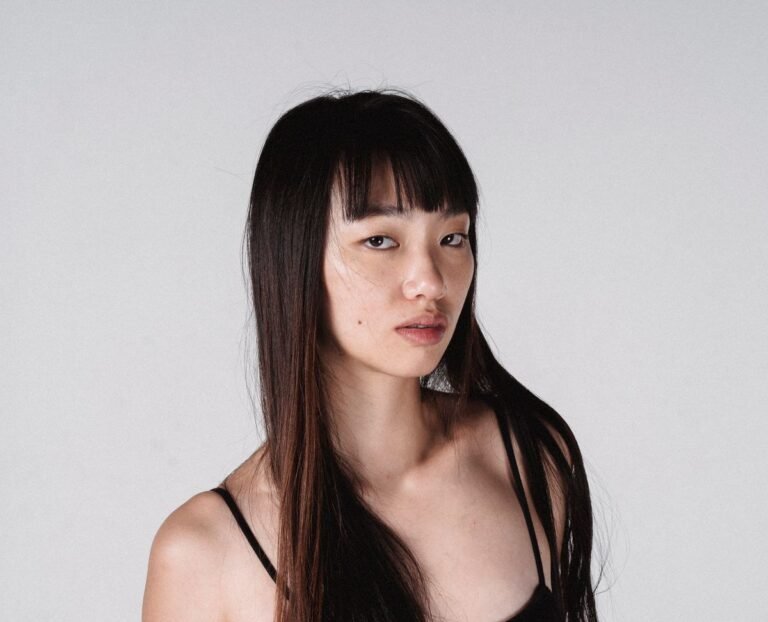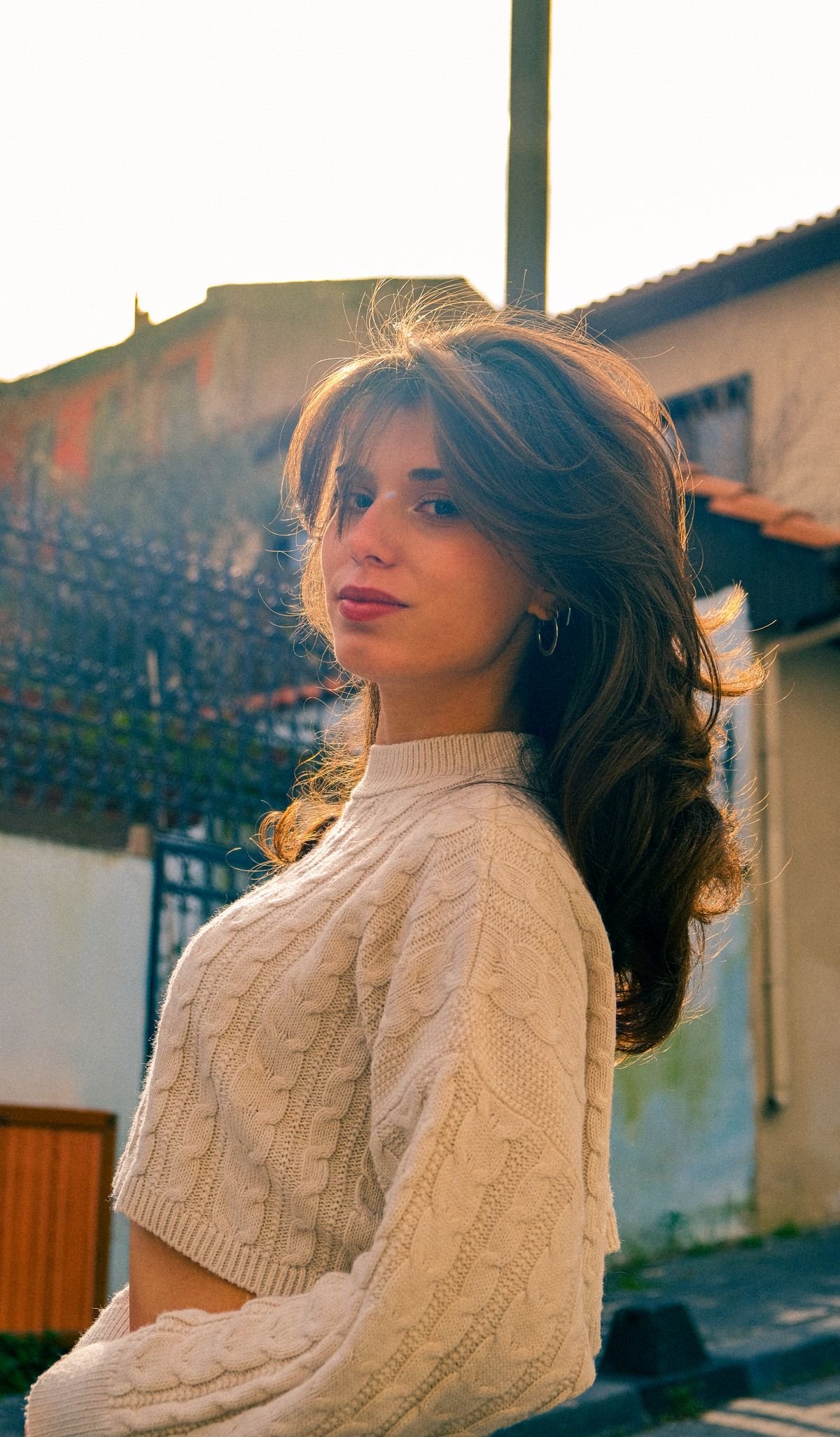
Layered Haircuts for Long Hair: Trending Styles, Face-Framing Cuts, and Salon Consultation Tips
Long, flowing hair is a timeless beauty statement, but without intentional structure, extra length often comes at a cost: heavy, limp strands that collapse flat against the crown and drag down facial features. That is why layered haircuts for long hair remain the undisputed gold standard in salon styling worldwide.
Adding layers allows you to introduce fluid movement, kinetic bounce, and customized face-framing contours without sacrificing your hard-earned overall length. However, achieving the perfect cut requires precision. The wrong technique can hollow out your density and leave your ends looking thin and stringy. Whether you are coveting the viral two-tiered Butterfly Cut, cascading Waterfall layers, or a rounded U-shaped baseline, this guide breaks down the essential silhouettes, face-framing combinations, hair-density rules, and the exact script to use at your next salon consultation.
Why Long Layered Haircuts Continue to Dominate Trends
The enduring appeal of long layered haircuts lies in their transformative physics: removing internal mass while preserving exterior perimeter length. Internal layers debulk the hair and remove downward drag, face-framing tendrils sweep from cheekbone to collarbone, and the flowing cascade keeps the full perimeter length intact.
The Balance of Keeping Length While Removing Dead Weight
Long hair carries literal physical weight. As hair grows past the mid-back, its cumulative mass pulls the root follicles downward, flattening the hair canopy.
Creating Movement and Bounce in Heavy, Dense Tresses
When dense locks are cut blunt at one single length, they tend to hang like a solid curtain, resisting round-brush curls, hot rollers, and natural windblown movement. Introducing graduated internal tiers removes heavy pockets of dead weight. This allows the remaining strands to glide past each other freely, producing that coveted shampoo-commercial bounce whenever you walk.
Preventing Long Flat Strands from Dragging Down Facial Features
Single-length long hair draws the viewer’s eye straight down past the shoulders, which can inadvertently elongate oval faces or emphasize sharp, angular jawlines. Strategically placed layers redirect the eye inward toward your facial focal points — highlighting high cheekbones, framing the lips, and creating an open, youthful halo around the collarbones.
Movement vs. Layer Count: Avoiding the “Stringy Ends” Mistake
The most common salon regret with haircuts for long hair with layers is ending up with wispy, transparent tips.
| Feature | Over-Layered Cut | Balanced Long Layers |
|---|---|---|
| Perimeter Edge | Thin, see-through, frayed | Crisp, opaque, dense baseline |
| Layer Graduation | Starting too high (crown) | Starting below cheekbone/collarbone |
| Styling Demand | Requires daily curling | Air-dries naturally with shape |
| Fine Hair Impact | Collapses density entirely | Fakes volume with surface flicks |
Why Too Many Layers Can Thin Out Fine Hair
Fine hair has fewer individual strands per square inch or thinner strand diameters. When a stylist cuts too many short layers into fine hair, they inadvertently remove the structural bulk that gives the perimeter its substance. The result is a bottom edge that looks hollow, stringy, and fragile under direct light.
Preserving the Perimeter Baseline for a Healthy Look
A skilled stylist always protects the “weight line.” By establishing a solid, dense perimeter baseline before cutting any interior layers, your hair retains an opaque, healthy boundary at the bottom, even when the surface layers are tousled and separated.
Most Popular Long Layered Haircut Silhouettes
Navigating viral terminology can be overwhelming. Today’s most-requested silhouettes vary primarily in where their layers start and how aggressively they disconnect:
- Butterfly Cut: Two distinct tiers, bouncy faux-bob front.
- Waterfall Layers: Seamless melted slope, soft cascading waves.
- Modern Shag: Choppy internal steps, grungy, lived-in crown.
The Butterfly Haircut
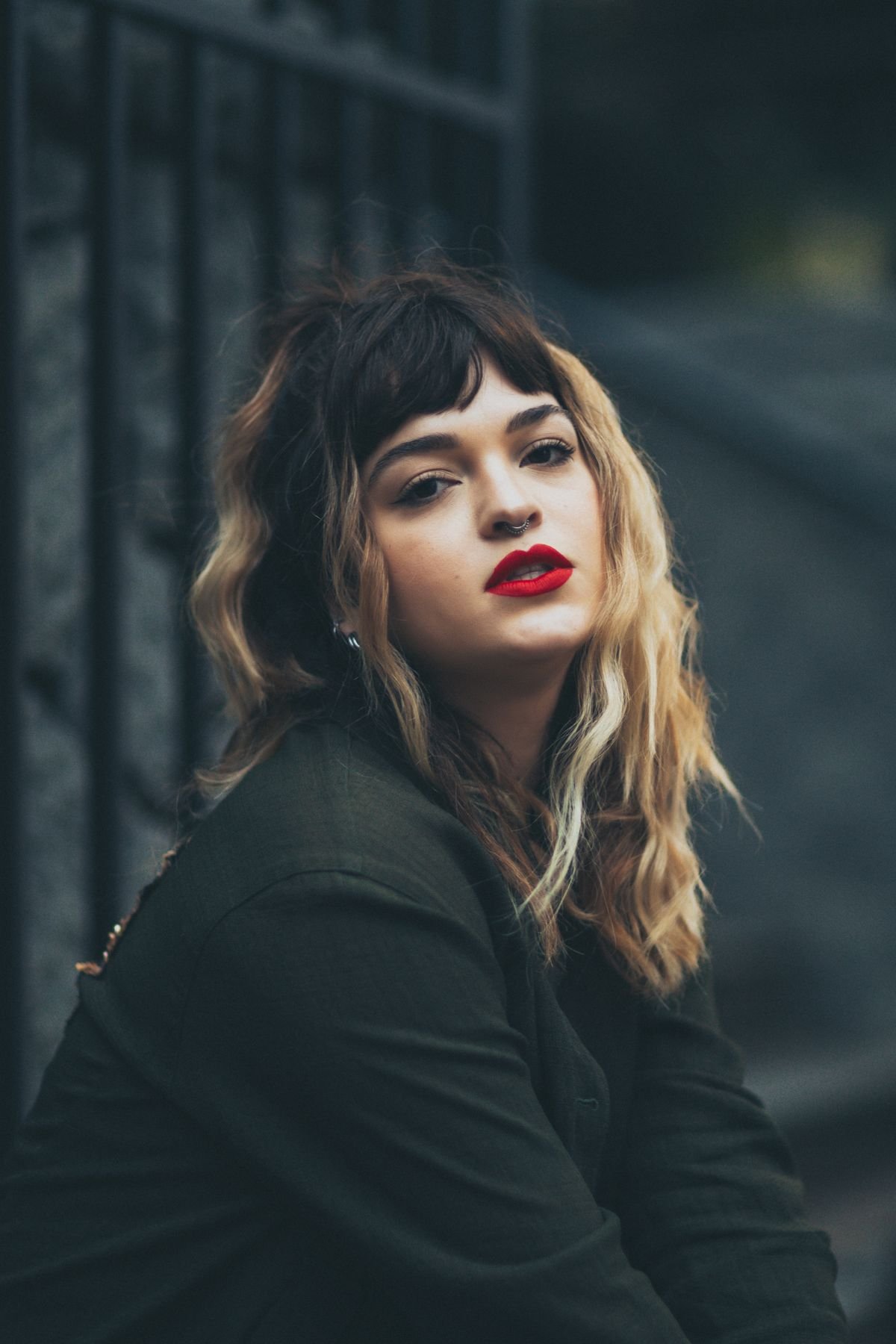
The undisputed queen of social media trends, the butterfly haircut long hair is beloved for its dramatic duality. As highlighted in professional style overviews by The Right Hairstyles and L’Oréal Paris’s hair trend reports, the butterfly cut bridges the gap between short bobs and flowing length.
Two-Tiered Structure: Short Framing Layers with Long Back Lengths
The cut features two distinct, disconnected tiers:
- The Top Canopy: Shorter, rounded layers that fall around the chin and collarbone, framing the face.
- The Base Tier: Flowing, graduated lengths that cascade past the shoulder blades. When you pin or tie back the longer bottom tier, the front falls forward to mimic a bouncy, faux chin-length bob, giving you two hairstyles in one.
Recreating the 90s Supermodel Blowout Silhouette
The butterfly cut was engineered specifically for voluminous styling. When dried with a large round brush or set on thermal rollers, the shorter top layers curl outward like fluttering butterfly wings, delivering the lush, bouncy glamour championed by 90s runway icons.
Seamless Waterfall Layers
If you dislike visible disconnection or choppy steps, waterfall layers offer an uninterrupted, flowing contour.
Gradual Cascade from Collarbone to Ends
Waterfall layering features a continuous, seamless graduation that begins gently below the collarbone and cascades down to the ends. Each layer melts imperceptibly into the next tier without harsh demarcation lines.
Best Texturing Methods for Naturally Straight and Wavy Hair
For clients with pin-straight or softly wavy tresses, stylists use slide-cutting and feathering shears along the perimeter. This soft texturizing ensures that when hair is worn naturally straight, it drapes in soft, liquid curtains rather than displaying blocky steps.
The Modern Long Shag and Textured Wolf Layers
For those seeking an edgier, street-style aesthetic with rock-and-roll attitude.
Choppy Internal Disconnection for Edgy Texture
The long shag and long wolf cut incorporate short, choppy crown layers that transition abruptly into tapered lengths. Internal point-cutting creates intentional negative space between strands, delivering gritty, piece-y separation.
Feathered Crown Lift for Effortless Lived-In Vibes
Because the crown is cut short and heavily feathered, it requires minimal blow-drying to achieve organic lift. A quick spritz of dry texturizing spray and a rough finger-tousle are all that is needed to activate its lived-in, tousled silhouette.
U-Cut vs. V-Cut: Choosing the Right Perimeter Shape
When viewed from behind, the bottom perimeter of your layered haircut determines how thick your hair appears.
| Shape | The Soft U-Cut | The Dramatic V-Cut |
|---|---|---|
| Outline Shape | Gentle, rounded horseshoe | Sharp, inverted triangle / arrow |
| Edge Density | Full & thick on the sides | Tapered sides, pointed center tip |
| Best Hair Type | Fine to medium density | Extremely thick, coarse locks |
| Styling Match | Bouncy blowouts & C-curls | Deep Hollywood waves & curls |
The Soft U-Cut Perimeter
The rounded U-shape is currently the most requested baseline on aesthetic moodboards.
Rounded Baseline That Maintains Thickness on the Outer Edges
A long layered haircut with u shaped back curves gently from the front collarbones around to the center back, mimicking the soft arc of a horseshoe. Because the outer sides retain substantial bulk rather than tapering aggressively inward, the hair appears uniformly thick from left to right.
Ideal Silhouette for Fine and Medium-Density Hair
If your hair is on the finer side or prone to split ends, the U-cut is your safest bet. It eliminates wispy corners while still providing a modern, curved finish that feels lighter than a blunt square cut.
The Dramatic V-Cut Perimeter
A high-contrast option that makes a bold visual statement on long hair.
Sharply Tapered Center Point for Thick, Coarse Locks
In a V-cut, the sides are carved aggressively upward toward the front, leaving the hair dramatically longer at a central point down the spine. This sharp, triangular taper acts as an effective debulking tool for dense, heavy hair, removing stubborn weight from the sides of the shoulders.
Maximizing Drama for Waist-Length Waves
When waist-length or hip-length hair is styled in flowing barrel curls, a V-cut fans out into an eye-catching, cascading waterfall that showcases multi-dimensional balayage highlights.
Face-Framing Layers and Bang Combinations
Layers around the face are what personalize your haircut to your facial bone structure:
- High Cheekbone: Curtain bangs flick outward, opening the eyes.
- Jawline Level: Softens angular jaw; slims round cheeks.
- Collarbone Tip: Anchors low updos & messy buns.
Cheekbone-Skimming Curtain Bangs
The pairing of layered haircuts for long hair with curtain bangs is a viral staple for good reason.
Connecting the Fringe Seamlessly to Outer Layers
Unlike traditional blunt bangs that sit separated from the rest of the hair, curtain bangs start shorter in the center (grazing the bridge of the nose) and sweep diagonally downward past the cheekbones, seamlessly blending into your first major tier of perimeter layers.
Contouring Square and Round Jawlines
By parting down the center and curving outward across the zygomatic arch (cheekbones), curtain bangs frame the face like an hourglass. They soften wide, square jaw angles and visually narrow full, round cheeks.
Wispy See-Through Bangs
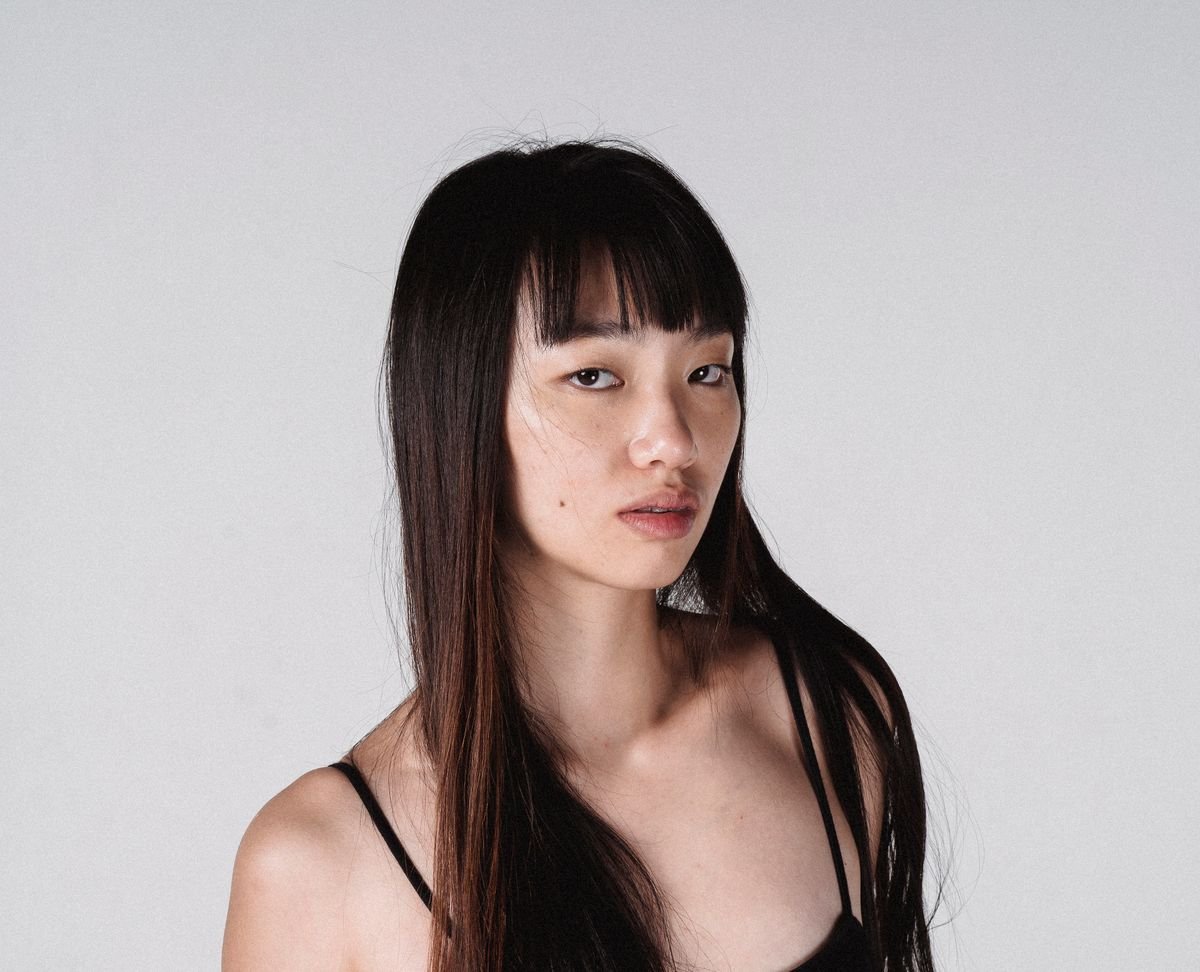
Inspired by Korean salon aesthetics, see-through fringe offers a softer alternative.
Softening High Foreheads Without Compromising Hair Density
Wispy bangs borrow only a tiny, delicate triangle of hair from the front hairline. They lightly dust the brow bone without robbing your side layers of valuable density, making them ideal for high foreheads on finer textures.
Chin-to-Collarbone Slide-Cut Tendrils
The secret weapon for effortless, everyday styling.
Flattering Updos and Half-Up Styles When Hair Is Tied
When you pull long hair into a high ponytail, claw clip, or messy bun, one-length cuts often pull completely flat across the scalp. Slide-cut tendrils falling between the chin and collarbone slip free naturally, framing your neck and softening the silhouette of every updo.
Tailoring Long Layers to Your Natural Hair Type
Customizing layer placement to your natural hair density prevents common salon pitfalls.
| Hair Density | Ideal Layer Strategy | Technique to Insist On |
|---|---|---|
| Fine Hair | Long surface layers only | Blunt perimeter + point-cut top |
| Thick & Coarse | Internal debulking | Slide-cutting & channel thinning |
| Naturally Curly | Rounded, tiered layers | Dry-cutting (curl by curl) |
Long Layering for Fine Hair
When executing low maintenance layered haircuts for long fine hair, restraint is key.
Surface Layers and Blunt Baselines to Fake Fullness
Instruct your stylist to keep the bottom baseline blunt and solid. Layers should be confined strictly to the upper surface canopy (the top 20% of your hair) and face-framing pieces. This generates surface texture and flirty flips while keeping the underlying foundation opaque and thick.
Long Layering for Thick and Heavy Hair
If you are requesting a butterfly layered haircut for long thick hair, your primary objective is weight relief.
Internal Weight Removal and Slide-Cutting Techniques
Stylists must use internal debulking methods: lifting sections and slide-cutting down the interior shaft, or carving out weight pockets between the crown and nape. This hollows out heavy bulk from the inside out, allowing thick hair to move fluidly without mushrooming outward.
Long Layering for Naturally Curly and Wavy Hair
Curly textures behave differently than straight strands due to natural spring factor.
Dry-Cutting Curls to Prevent the Pyramid Shape
One-length curly hair often expands horizontally into an unflattering triangle or “pyramid” shape. Tiered layers distribute curl volume into a balanced, rounded oval. Ensure your stylist cuts your layers while your curls are dry in their natural state, allowing them to see exactly where each ringlet bounces into place.
Everyday Styling and Maintenance Routine for Layered Hair
Layered hair is designed to move, but unlocking its full potential depends on using the right thermal setting and cooldown techniques. The bouncy blowout workflow:
- Rough Dry: Dry roots to 80% with heat protectant.
- Tension Wrap: Ceramic round brush / hot air styler.
- Lock & Set: Jumbo velcro rollers rolled away from face.
- Cold Blast: Freeze hydrogen bonds during cooldown.
Mastering the Bouncy Blowout at Home
You do not need professional salon visits to achieve a runway-ready blowout.
Round Brushes and Hot Air Styler Techniques
Apply a golf-ball-sized dollop of volumizing mousse and thermal heat protectant to damp hair.
Rough-dry until your roots are 80% dry.
Divide hair into manageable horizontal sections. Using a 2- to 2.5-inch ceramic round brush or rotating hot air brush, roll each layer outward and upward, maintaining firm tension down the shaft to smooth the cuticle.
Setting Layers with Jumbo Velcro Rollers for All-Day Bounce
The step that guarantees long-lasting hold is the cooldown. While each section is still hot from the dryer, wind it immediately into a jumbo (44mm to 50mm) velcro roller. Secure with a clip and let your hair cool for 15 to 20 minutes while you get dressed. When unrolled, each layer falls into a bouncy, defined curl that holds its shape all day.
Heatless Wave Methods That Emphasize Layers
Minimizing hot tool usage preserves moisture and prevents split ends along your delicate layers.
Satin Rod and Robe-Tie Overnight Styling
Wrap slightly damp hair around a flexible satin heatless curling rod placed across your crown, wrapping strands away from your face like a French braid. Because the layers are cut at varying lengths, the ends wrap neatly down the rod, creating voluminous, heat-free morning waves that highlight every tier of your haircut.
Trimming Schedules to Keep Layers Healthy
Because layers sit at different levels throughout your hair, they do not wear or split at the exact same rate.
When to Trim Face-Framing Pieces vs. Overall Length
Face-Framing Curtain Bangs: Require a quick touch-up trim every 4 to 6 weeks to keep them hovering precisely at the cheekbone.
Overall Perimeter & Back Layers: Only require maintenance every 10 to 12 weeks to dust away split ends and refresh layer graduation.
What to Say at the Salon: The Exact Consultation Script
Sitting in your stylist’s chair and asking for “just a few layers” is a recipe for miscommunication. Here is what to ask for long layered haircut with face framing:
- “I want long, blended layers with a soft U-cut back perimeter.”
- “Please keep my shortest face-framing layer strictly at or below my cheekbone.”
- “I want to preserve a dense, thick baseline at the bottom — no thin ends.”
- “Please use shears/point-cutting to remove internal weight, not thinning razors.”
- Show 3 photos: 1 front view, 1 back view (showing the U-shape), 1 styled wave.
Specifying Layer Starting Points and Perimeter Density
The Golden Starting Point Rule: Always point to an exact anatomical landmark. Tell your stylist: “I want my shortest face-framing layer to start right at the bottom of my cheekbones, cascading down past my collarbones.”
Protecting the Perimeter: Explicitly state: “I want to keep the bottom baseline thick and opaque. Please avoid over-thinning or heavily feathering my lowest perimeter.”
Communicating “Movement” Instead of Generic “Layers”
Stylists respond best to functional aesthetic goals. Explain how you live with your hair:
“I want my hair to have bounce and internal movement when I do a round-brush blowout, but I don’t want visible, choppy steps when I wear it straight.”
“I frequently wear my hair in a claw clip, so I need soft chin-length tendrils that fall out naturally to frame my face.”
Frequently Asked Questions
Will long layers make my hair look thinner or thicker?
When cut properly with a solid baseline, long layers make hair look significantly thicker because they create dimension, light reflection, and natural bounce. However, if fine hair is cut with too many short, aggressive layers, it can hollow out the bottom perimeter, making it look thinner. Fine hair should stick to subtle surface layering and U-shaped perimeters.
What is the difference between a Butterfly Cut and traditional long layers?
A traditional long layered haircut features subtle, uniform graduation where layers blend seamlessly from top to bottom. A Butterfly Cut features distinct, intentional disconnection: the top canopy is cut into a much shorter, bouncy tier (hitting at the chin and collarbone) that sits above the flowing back length.
Can I get long layers if my hair is naturally pin-straight?
Yes, but request soft waterfall layers for long straight hair. Your stylist should use slide-cutting shears to create feathered, tapered transitions. This prevents straight hair from displaying visible, blunt horizontal step-lines when air-dried.