French Tip Nail Designs: 20 Classic and Modern Ideas for 2026
The French manicure is the rare beauty classic that never truly leaves — it simply gets reinterpreted. In 2026 the French tip is back as a foundation for creativity rather than a single uniform look: micro-thin lines, chrome edges, color tips, reverse French at the cuticle, and soft ombré fades all count as French now. The unifying idea is the same as ever — a clean, polished nail with a contrasting tip — but the execution is far more personal.
This guide covers 20 French tip nail designs, from the classic milky French to modern chrome, color, and 3D variations, plus how to choose the right tip width and nail shape, DIY steps, salon advice, and care tips that keep any French looking fresh for two weeks or more.
What Makes a French Manicure Work
A good French manicure depends on three decisions: the base, the tip, and the shape. Get those three right and almost any variation looks intentional; get one wrong and even an expensive salon set can look dated.
The base
Classic French uses a sheer pink or milky nude base that lets the natural nail show through softly. Modern versions use jelly bases, milky whites, or sheer tints in rose, beige, or peach. The base should flatter your skin tone: pinkish sheers suit cool undertones, warm beige-nudes suit warm undertones, and milky whites suit nearly everyone.
The tip
The tip is where the personality lives. A thin micro tip reads minimal and modern; a classic medium tip reads timeless; a deep, wide tip reads retro and dramatic. In 2026, thinner tips dominate, especially on short nails, because they leave more of the nail plate visible and make the hand look longer.
The shape
Square and soft-square shapes hold the cleanest, most graphic smile line. Almond and oval shapes need a slightly curved tip that follows the free edge. Coffin shapes suit bolder, wider tips. Stiletto shapes turn French into a statement look all on their own.
1. The Classic Milky French
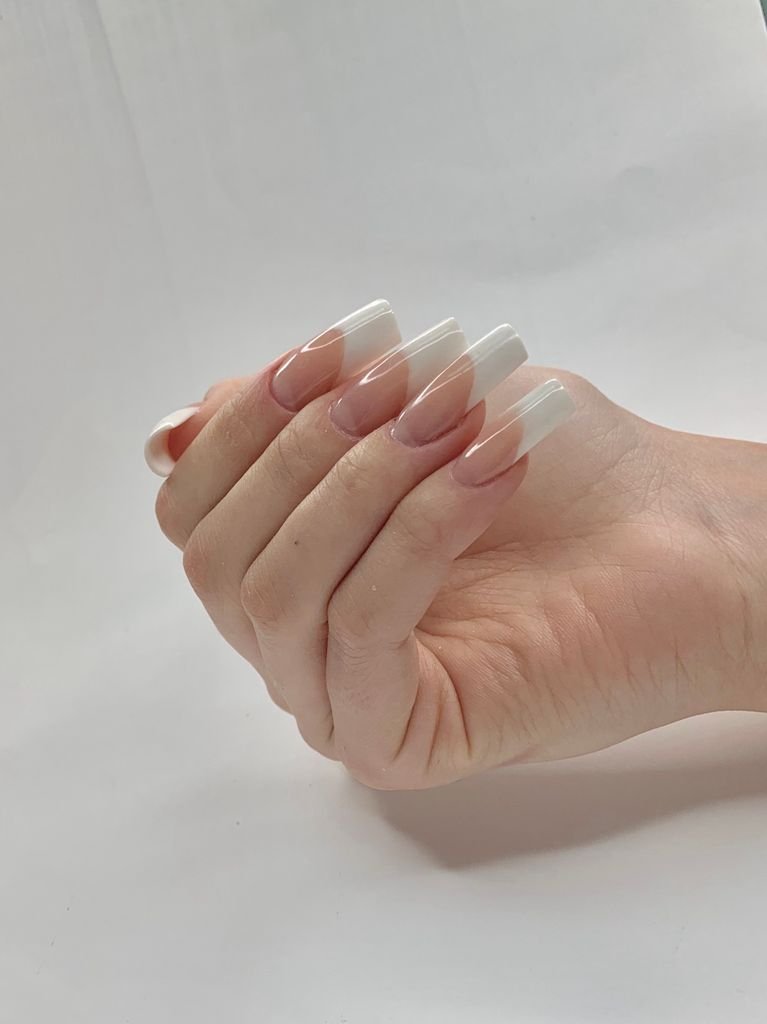
Sheer pink or nude base, soft white tip, clean smile line, high-gloss finish. This is the French for weddings, job interviews, and anyone who wants nails that go with literally everything. Ask for a medium tip width and a milky, not stark, white — pure bright white can look harsh against most skin tones.
2. Micro French Tips
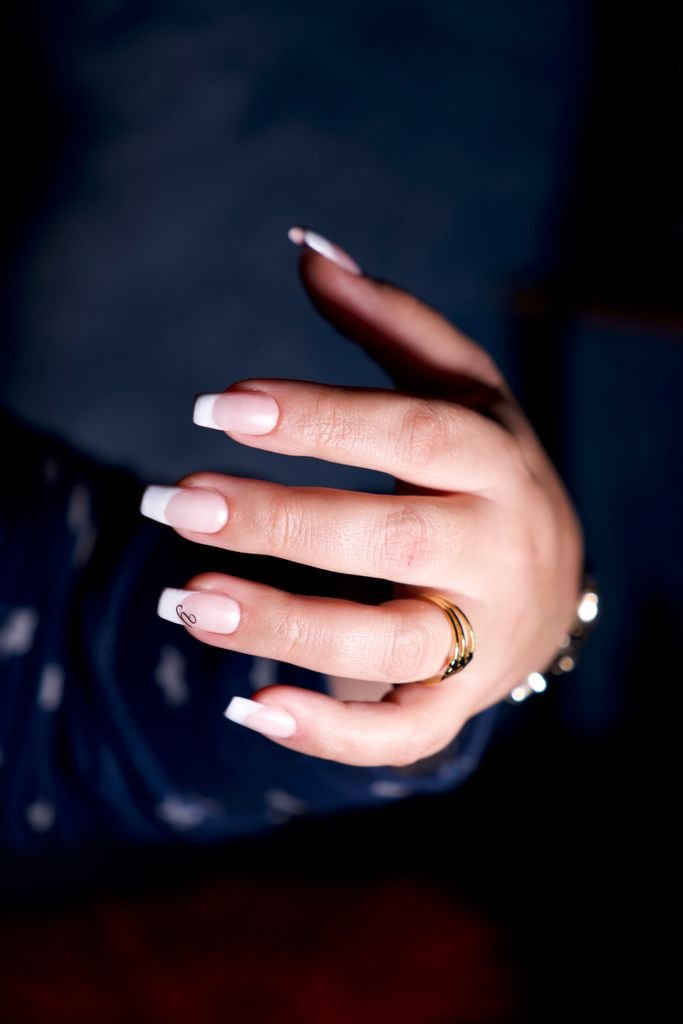
The defining French trend of 2026: an ultra-thin line at the free edge, barely there, effortlessly polished. Micro French works on every nail length, but it is especially flattering on short nails, where a wide tip would eat up the whole nail plate. It is also the easiest French to maintain, because minor chipping is far less visible and grow-out looks graceful.
For DIY, a striping brush and a steady hand beat French tip guides for most people — guides often lift polish and leave a ridge. Practice on one nail first, and keep the line thinner than you think it should be.
3. Chrome French Tips
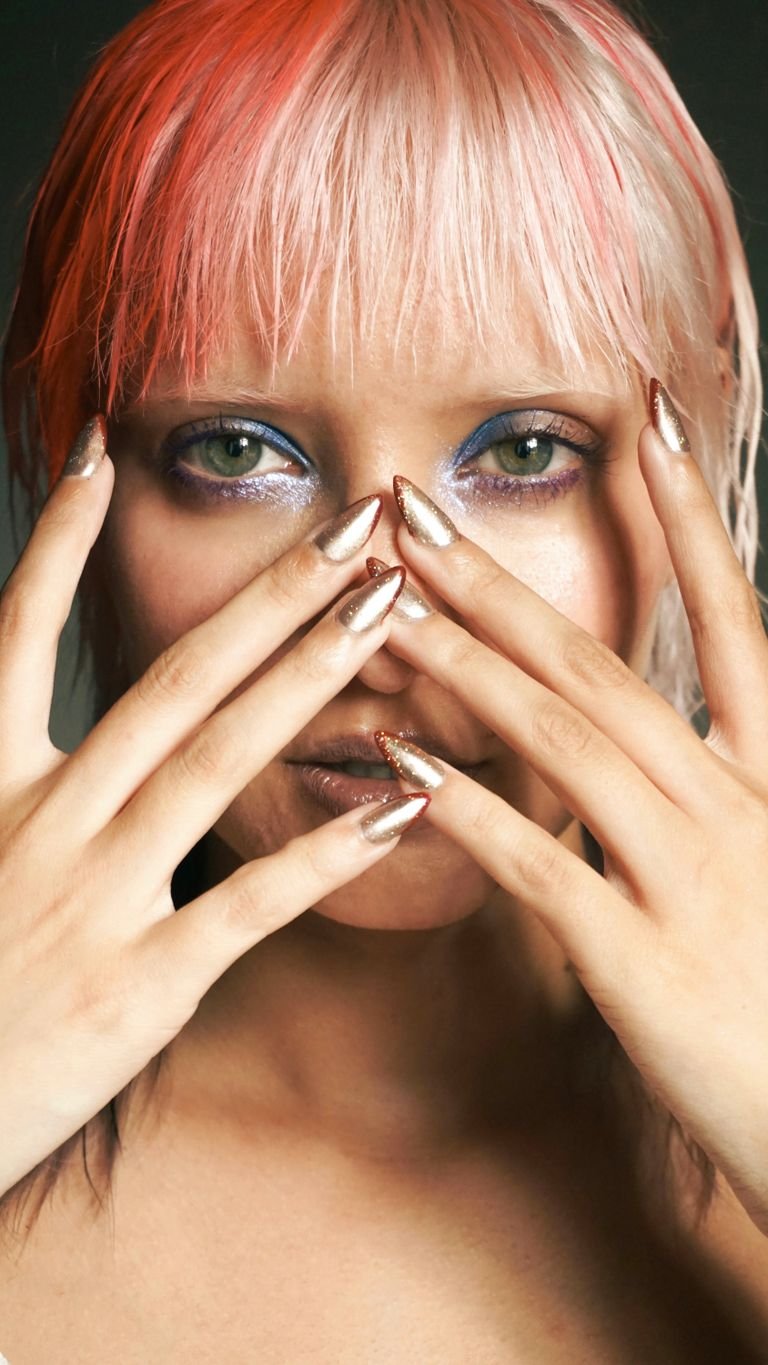
Mirror-finish chrome powder on the tip over a nude base creates a reflective edge that catches light with every hand movement. Silver chrome is the most popular, with gold and rose gold close behind. Chrome French is best done at a salon with real chrome powder and a no-wipe top coat, because at-home chrome pens rarely achieve the same mirror finish.
Pair chrome tips with a milky base for a clean look, or with a cat-eye base for a dual-texture effect that looks especially striking in photos.
4. Color French Tips
Swap the white tip for a single saturated color — cherry red, cobalt, butter yellow, lilac, or deep espresso — over a sheer nude base. Color French is the easiest way to make a classic feel current, and choosing a shade from your wardrobe makes the whole outfit feel coordinated.
For work, choose muted colors: burgundy, navy, olive, or chocolate. For holidays and parties, go brighter: coral, sky blue, or hot pink.
5. Black French Tips
Black tips over a milky nude base read edgy-elegant rather than gothic, especially on almond shapes. Black French suits evening looks, leather outfits, and anyone who loves a manicure with a little attitude. Keep the tip medium or thin — very wide black tips can look heavy on short nails.
6. Double French Tips
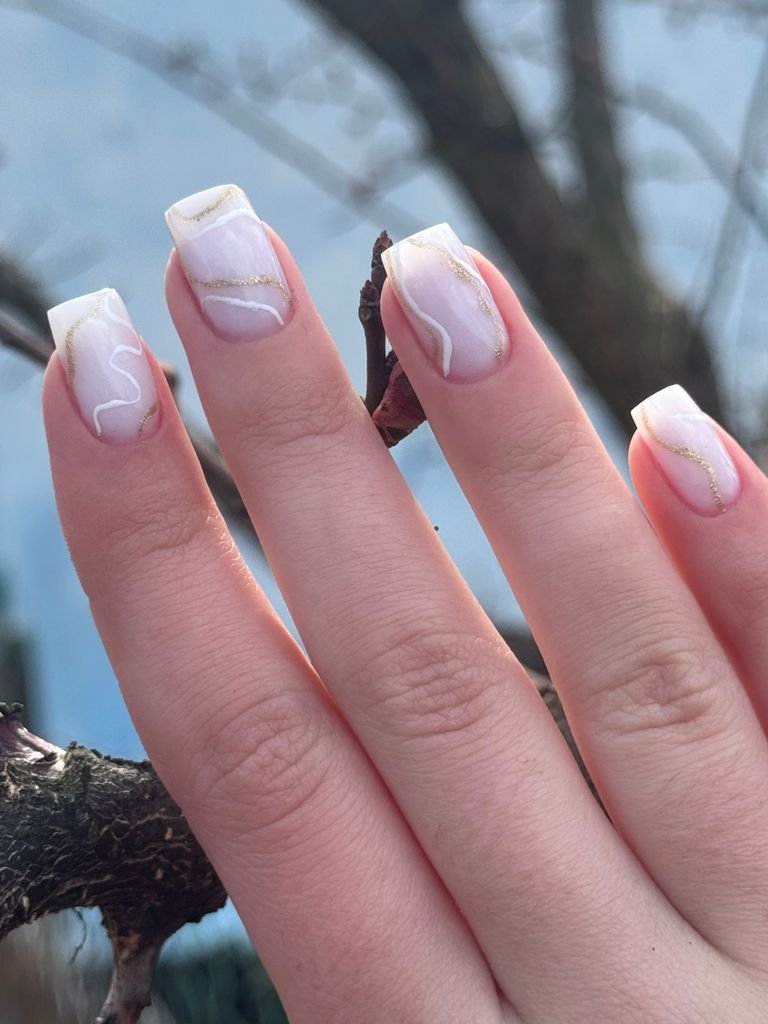
Two parallel lines at the tip — usually a thicker color band with a thin metallic line beneath it — create a graphic, modern French. Double French looks intentional and artistic without requiring nail art skills, and it photographs beautifully. Try white with gold, nude with silver, or black with chrome for the most wearable combinations.
7. Reverse French (Cuticle French)
Reverse French moves the accent line to the base of the nail, tracing the cuticle in color or chrome instead of painting the tip. It is unexpected, elongating, and excellent camouflage for grow-out, because the eye is drawn to the cuticle rather than the tip. Reverse French also suits people who type all day, since the tip — the part that chips first — stays plain and protected.
8. Ombré French (Baby Boomer 2.0)
The white tip fades seamlessly into the nude base with no hard line at all. The softer 2026 version uses an airbrush or sponge gradient for a truly diffused transition. Ombré French flatters every nail length and skin tone, grows out invisibly, and suits brides who want French elegance without a visible smile line in close-up photos.
9. Glitter and Velvet French Tips
Glitter tips, velvet-textured tips using magnetic polish, and cat-eye tips all add dimension to the classic shape. Glitter French is festive and forgiving for DIY, because sparkle hides small imperfections in the smile line. Velvet French, made with magnetic polish held under a magnet, creates a shimmering, fabric-like tip that shifts as the hand moves.
10. French Tips by Nail Shape
| Shape | Best French tip | Why it works |
|---|---|---|
| Short square | Micro French, thin white or color | Keeps the nail plate visible; wide tips look stubby |
| Soft square | Classic medium French | Clean, graphic smile line |
| Oval / round | Curved classic or ombré French | Tip follows the natural curve |
| Almond | Chrome, color, or black French | Elongated shape carries bolder tips |
| Coffin / ballerina | Wide, color, or 3D French | Long flat edge suits statement tips |
| Stiletto | Micro or V-cut French | Sharp shape needs a refined tip |
11. V-Cut and Architectural French
Instead of a curved smile line, the tip is cut into a sharp V or chevron shape. V-cut French looks modern and architectural, suits long nails especially well, and pairs beautifully with minimalist jewelry. It requires a steady hand or a skilled technician, so it is usually a salon choice rather than a first DIY attempt.
12. Mismatched French Tips
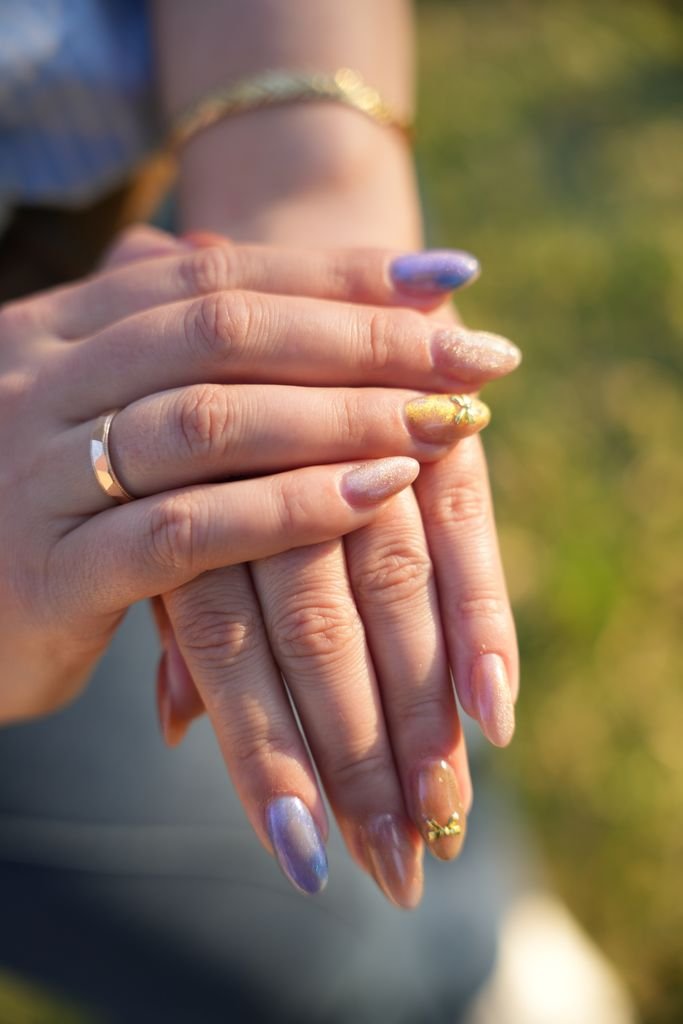
A different tip color on every nail, or alternating finishes — matte base with glossy tips, for example — creates a playful, Pinterest-ready set. Mismatched French is the most forgiving DIY French of all, because asymmetry is the point: a slightly uneven line on one nail reads as intentional when every nail is different.
13. French Tips With Minimal Nail Art
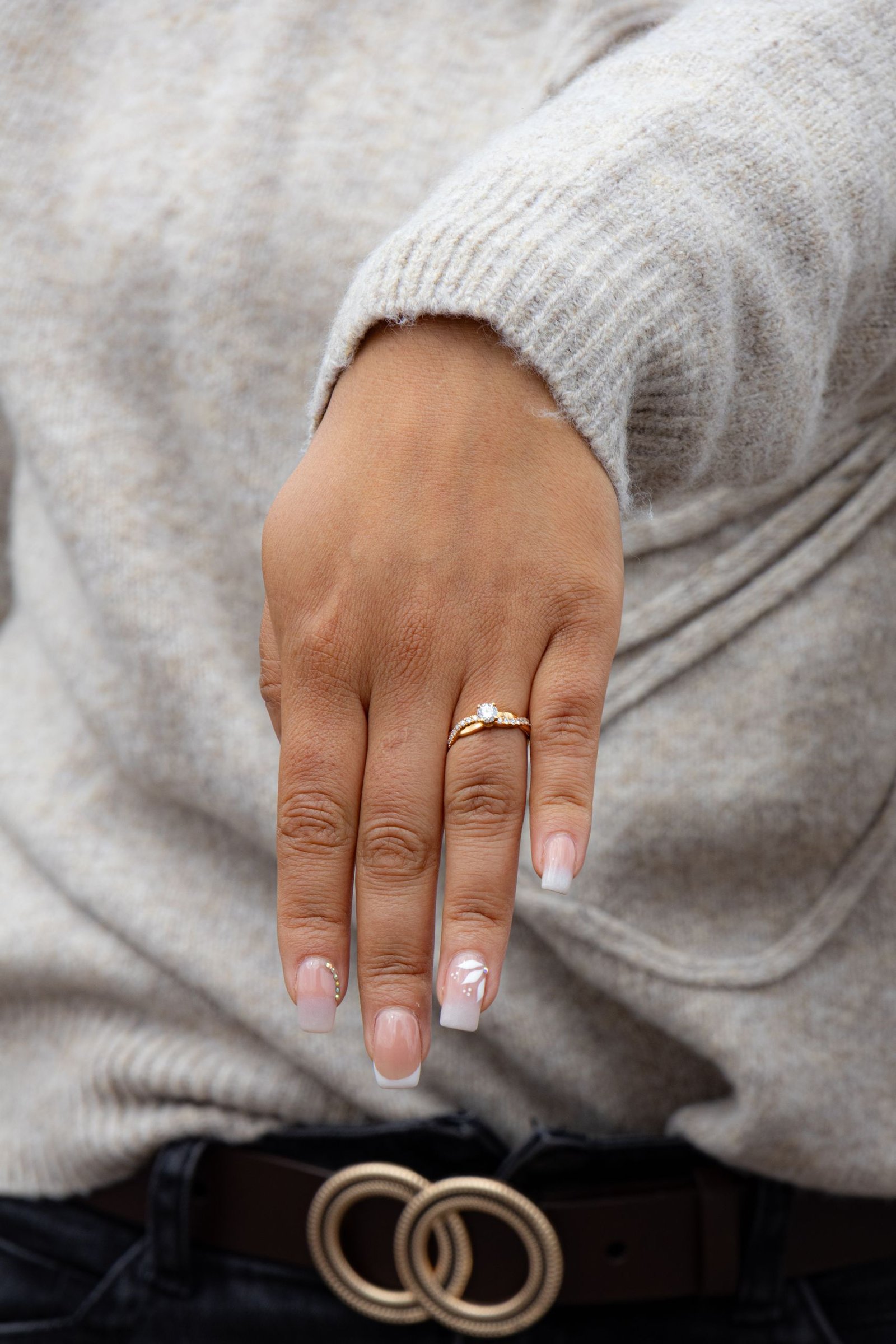
One accent nail with a tiny flower, a single pearl, a thin gold line, or a small crystal keeps the French elegant while adding personality. The rule is restraint: decorate one or two nails, not all ten. A French set covered in art stops being French and becomes a different design entirely.
14. 3D French Tips
Tiny pearls, chrome blobs, or sculpted gel details on the tips take French into maximalist territory. 3D French is a special-occasion choice — beautiful for weddings and parties, impractical for keyboards and daily chores. If you love the look, try it on two accent nails and keep the rest classic.
15. Seasonal French Tip Ideas
- Winter: deep burgundy, forest green, or silver chrome tips over milky nude.
- Spring: pastel tips — lilac, butter yellow, mint, or baby blue.
- Summer: coral, bright white, or neon micro tips.
- Autumn: espresso, burnt orange, olive, or tortoiseshell-accented French.
- Festive: gold chrome, glitter, or deep red tips with one crystal accent.
16. French Tips for Short Nails
Short nails carry French best when the tip stays thin. A micro French, a reverse French, or a single accent French nail keeps the set readable without eating the nail plate. Avoid wide white tips on a short square shape — they make the free edge look stubby and the whole hand look shorter.
Keep the base sheer rather than opaque on short nails. A sheer base shows more natural nail, which visually lengthens the finger.
17. French Tips for Long Nails
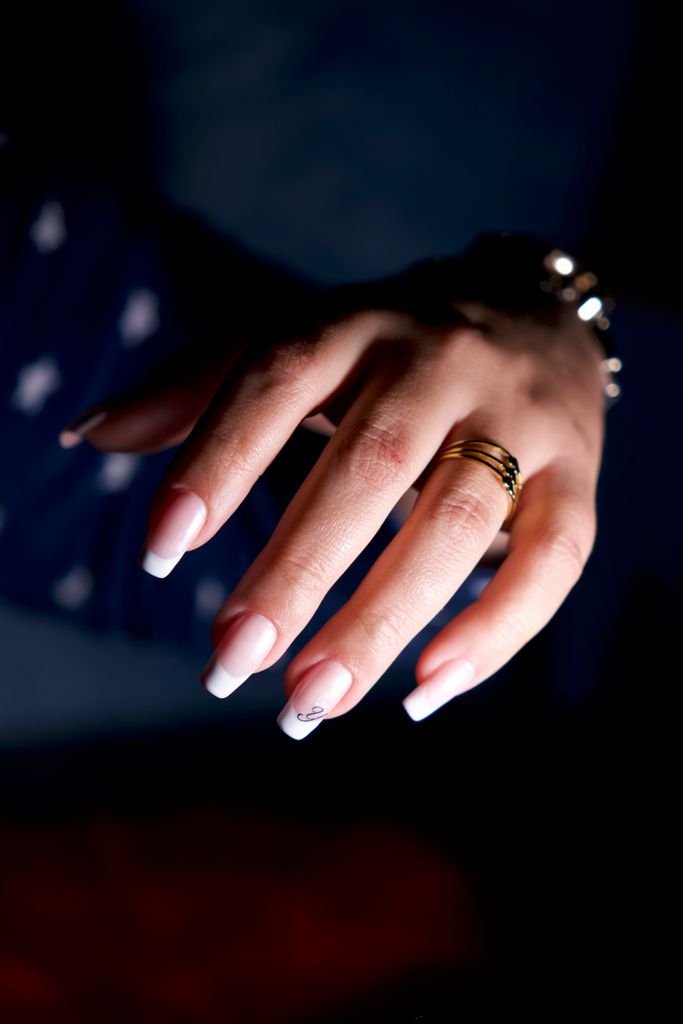
Long nails can carry everything short nails cannot: deep tips, double lines, V-cuts, chrome, and 3D details. The risk on long nails is not width but proportion — a tip that is too thin can disappear, while a tip that is too deep can look like a costume French from another decade. A good rule is that the tip should cover roughly a quarter to a third of the visible nail.
DIY French Manicure: Step by Step
- Shape all nails to the same length and shape, and push back cuticles gently.
- Apply a base coat and let it dry completely — rushing this step causes smudging later.
- Apply two thin coats of your sheer nude or pink base, drying between coats.
- Paint the tip freehand with a striping brush, or use guides if you are new to the technique. Work from one side of the nail to the other in a single smooth motion.
- Clean up the smile line with a flat brush dipped in acetone for a crisp edge.
- Seal with a glossy top coat, wrapping the free edge to prevent chipping.
- Apply cuticle oil once the top coat is dry, and reapply top coat every two to three days to extend wear.
Salon French: What to Ask For
Bring two reference photos: one showing the tip width you want, and one showing the base color. Tell your technician your nail length, your daily activities, and how long you need the set to last. For gel French, ask about the base shade — many salons default to a stark pink that does not suit every skin tone. For chrome French, confirm the salon uses real chrome powder, not just metallic polish, if you want a true mirror finish.
Ask how grow-out will look. Micro French, ombré French, and reverse French all grow out more gracefully than a classic wide-tip French, which shows a visible line as the nail grows.
How to Make French Tips Last
- Wear gloves for cleaning and washing up. Water and detergents are the fastest way to lift a French tip.
- Reapply top coat every few days. A fresh top coat reseals the free edge and restores shine.
- Moisturize cuticles daily. Healthy cuticles frame the French and prevent peeling at the base.
- Avoid using nails as tools. Opening cans, scraping labels, and prying lids chip tips faster than any other habit.
- Fix chips immediately. A small chip repaired the same day stays invisible; a chip left for days lifts and peels.
Frequently Asked Questions
What French tip style suits short nails best?
Micro French, reverse French, or a single accent French nail. Keep the tip thin so most of the nail plate stays visible, which makes short nails look longer and more polished.
Are French tips still in style in 2026?
Yes — but as a reinterpreted classic. Micro tips, chrome tips, color tips, and ombré French dominate current trends, while the classic milky French remains a timeless choice for weddings and work.
Can I do a French manicure at home?
Yes, especially micro French and color French, which are forgiving. Use a striping brush, work in thin layers, clean up the smile line with a flat acetone brush, and seal with top coat wrapped over the free edge.
How long does a French manicure last?
Regular polish French lasts about five to seven days with top-coat maintenance. Gel French lasts two to three weeks. Chrome and 3D French may need earlier touch-ups at the tips.
Which base color should I choose?
Choose a sheer pink or nude close to your natural nail bed color. Pinkish sheers suit cool undertones, warm beige-nudes suit warm undertones, and milky whites are the most universally flattering option.
French tips endure because they are not really one design — they are a framework. Change the tip width, the color, the finish, or the placement, and the same classic idea becomes minimal, glamorous, playful, or bold. Start with the version that suits your nail length and your week, and let the more adventurous variations follow when you are ready for them.