The Korean Wolf Cut Guide: Trend Variations, Lengths, and Everyday Styling Ideas
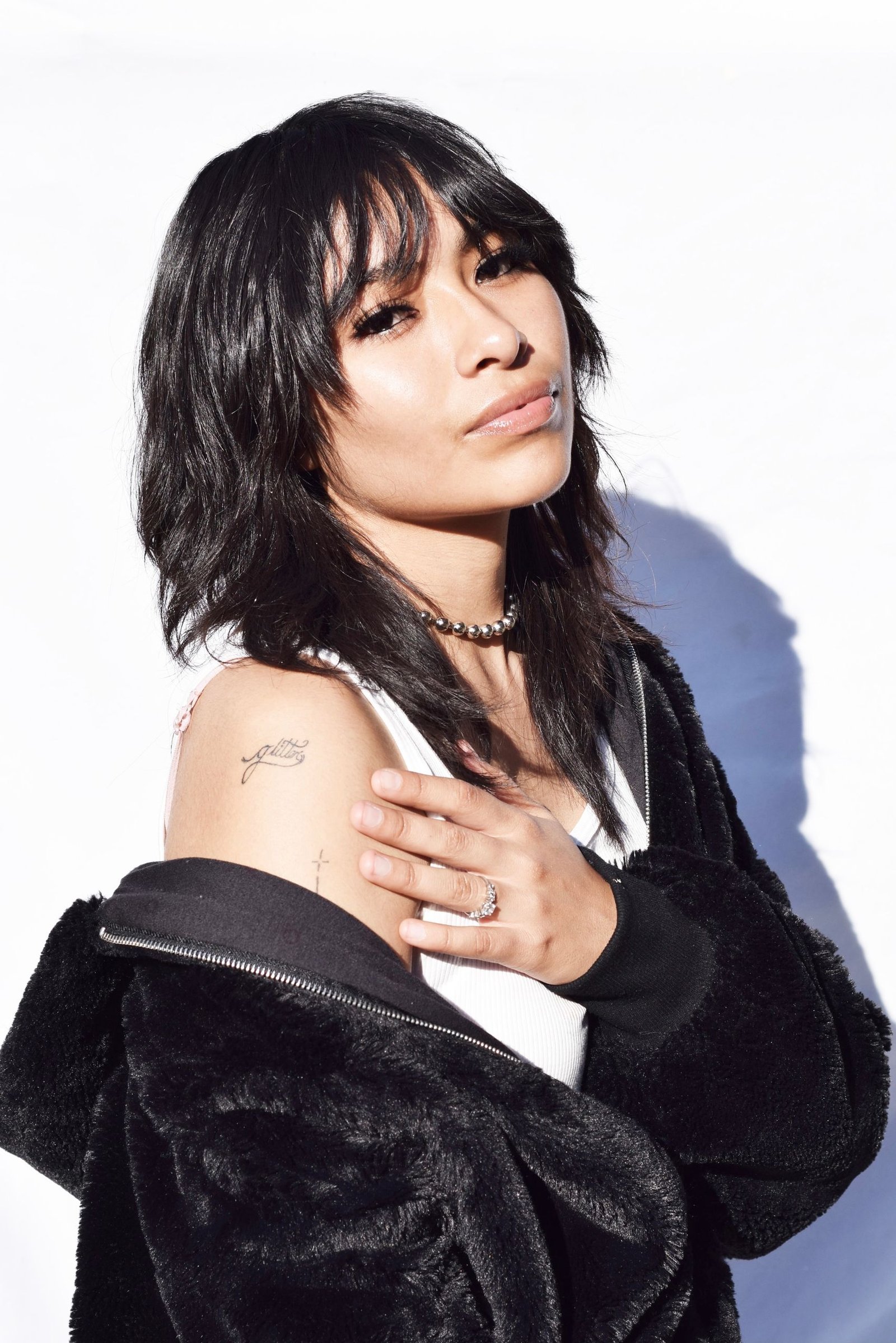
The Korean wolf cut has evolved from the heavily shaggy, retro-inspired wolf cuts that first dominated social media into softer, more wearable versions with controlled volume, airy texture, and carefully placed face-framing layers. The defining feature is still the contrast between a shorter, textured crown and longer lengths, but Korean salon interpretations tend to refine that contrast for a more polished finish. Current Korean salon guides describe the style as a shag-and-mullet hybrid with visible, intentionally disconnected layers and wispy ends.
For women considering the style, the biggest questions are usually how short the crown should be, whether to choose curtain or see-through bangs, how the cut differs from a Hush Cut, and how much daily styling it requires.
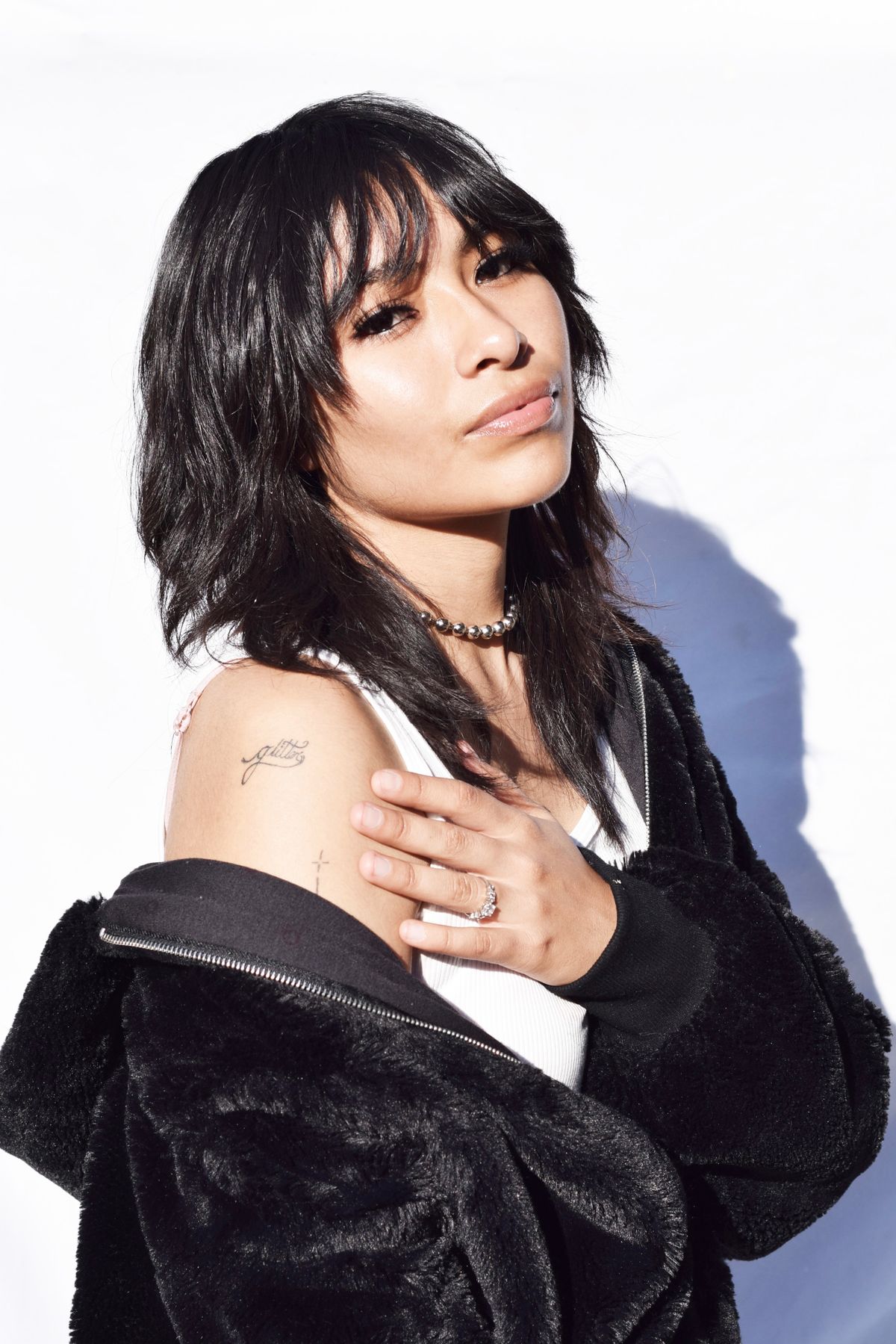
This guide breaks down Korean wolf cuts by length, explains the most popular fringe combinations, covers everyday styling and perm options, and gives you practical points to discuss with your stylist. If you’re exploring other Korean styles first, our guide to trending Korean hairstyles for women covers Hush Cuts, tassel bobs, and Korean perms.
What Is a Korean Wolf Cut?
A Korean wolf cut is a layered haircut that combines characteristics of a shag with a mullet-inspired crown. The top is shorter and more textured, while the back and lower sections retain length. The ends are usually feathered or tapered rather than blunt.
The Korean interpretation generally focuses on making the shape more wearable. Instead of simply creating dramatic disconnection, the stylist can adjust the crown height, face-framing pieces, and amount of texture according to the client’s hair density, facial features, and desired styling level. Current Korean salon coverage describes this as a refined version of the more aggressive shag-mullet silhouette.
Defining the Shag-Mullet Hybrid Silhouette
The easiest way to recognize a wolf cut is to look at the relationship between the crown and the length.
The crown has shorter, choppier layers that create lift and texture, while the lower sections remain longer. This combination produces the characteristic “wolf” silhouette.
Unlike a conventional long layered haircut, the layers are intentionally visible. The contrast between the shorter upper sections and longer lower sections is part of the design rather than something the stylist is trying to hide.
Volume at the Crown vs. Tapered Ends
A successful Korean wolf cut balances two opposing elements:
Volume and texture around the crown
Light, tapered movement toward the ends
If too much weight remains at the crown, the style can look bulky. If too much hair is removed from the bottom, the lengths may look overly thin.
The objective is controlled contrast. The crown provides the shape, while the tapered ends keep the overall silhouette light.
For thick or high-density hair, strategic weight redistribution can help reveal the layers without making the lower lengths appear excessively thin.
Why the Korean Version Is Softer Than the Western Wolf Cut
The Korean wolf cut is generally more refined than the most exaggerated Western interpretations.
The crown can remain slightly longer, the face-framing pieces can be customized more carefully, and the ends can be softened rather than aggressively shredded. Current Korean salon coverage describes Korean salon versions as balancing the edgy shape with more precise, flattering lines.
This makes the style easier to adapt to straight Asian hair, medium-density hair, and people who want visible texture without an extremely dramatic mullet shape.
Korean Wolf Cut vs. Hush Cut: Key Differences
The distinction between a Korean wolf cut vs. Hush Cut mainly comes down to how visible the layers are.
A Hush Cut uses soft, seamless layers that blend into one continuous silhouette. A wolf cut deliberately exposes the layering, with a shorter textured crown and more obvious separation between sections.
Disconnected Layers vs. Seamless Blending
The wolf cut intentionally makes its structure visible.
You can normally identify where the shorter crown transitions into the longer sections. That separation creates the shaggy movement that defines the haircut.
The Hush Cut takes the opposite approach. Its internal layers are blended so smoothly that it can be difficult to identify where one layer ends and another begins.
If you want your haircut itself to be visually noticeable, the wolf cut provides more obvious texture. If you prefer the appearance of naturally full hair with less visible layering, the Hush Cut has a softer construction.
Choosing Between Edgy Texture and Polished Softness
Choose the Korean wolf cut if you like:
Visible layers
Crown volume
Feathered ends
Textured movement
A more fashion-forward silhouette
Styling with texture products
A Hush Cut may be more suitable if you prefer:
Seamless layers
A smoother silhouette
Less obvious texture
Easier grow-out
A more polished everyday appearance
Neither style is universally better. The right choice depends on the visual effect and amount of styling you want.
Popular Korean Wolf Cut Variations by Hair Length
One reason the Korean wolf cut continues to work across different Pinterest inspiration boards is its flexibility. The same basic structure can be adapted to short, medium, or long hair.
Short Korean Wolf Cut (Crop & Nape Length)

A short Korean wolf cut creates a much stronger contrast between the textured crown and the lower length.
The shortest versions can approach chin or nape length, creating a cropped silhouette that emphasizes the cheekbones, jawline, and neck.
Current Korean wolf-cut references describe short versions as one of the more dramatic variations, particularly when the crown is heavily textured.
Cheekbone-Framing Jagged Layers
Cheekbone-level layers can create a strong face-framing effect.
For a softer result, the stylist can taper the pieces rather than cutting a hard horizontal line. This keeps the jagged texture while preventing the hairstyle from looking overly geometric.
If you have a round face, discuss whether the shortest pieces should sit above or below the cheekbone. Small changes in this area can change the apparent width of the face.
Micro-Shag Styling for Fine Hair
Fine hair can benefit from shorter textured sections because they can create the appearance of movement and lift.
However, excessive thinning can make fine hair look even less dense.
Ask for strategic texture rather than indiscriminate thinning. The goal should be to create separation while retaining enough hair through the perimeter to maintain a healthy-looking silhouette.
Medium-Length Korean Wolf Cut (Collarbone Lobo)
Medium-length hair provides one of the most versatile versions of the style.
A collarbone-length wolf cut can retain enough length for ponytails and half-up styles while still providing substantial crown texture.
Everyday Low-Maintenance Movement
A medium wolf cut does not necessarily require elaborate styling every morning.
For naturally straight or slightly wavy hair, a small amount of mousse or texture product can help separate the layers.
The cut itself creates much of the movement, while a quick blow-dry or air-dry routine can enhance the existing shape.
However, the wolf cut generally requires more daily styling than a Hush Cut because its visible layers need some definition to look intentional. Korean salon comparisons describe wolf-cut styling as typically more involved than Hush Cut styling.
Soft C-Curl Perm Finish at the Ends
A soft C-curl can be used to bend the outer ends inward or create a smoother transition around the face.
This is particularly useful if you want a Korean wolf cut that feels less aggressively shaggy.
The C-curl can also be combined with subtle waves through the middle lengths, producing movement while keeping the ends controlled.
Long Korean Wolf Cut with Cascading Layers

Long hair allows the strongest contrast between a cropped crown and flowing lower lengths.
The result can look dramatic while still retaining the recognizable Korean styling emphasis on controlled texture.
Balancing Crown Volume with Length
The key is proportion.
If the crown is too short and heavily lifted while the lower hair remains very long, the silhouette can become extremely dramatic.
For a softer version, keep more length around the crown and gradually transition into the longer sections.
This creates a more wearable soft Korean wolf cut while retaining the defining layered structure.
Feathered Layers for High-Density Hair
Long, high-density hair can carry substantial layering without immediately appearing sparse.
Strategic internal weight removal can reduce heaviness while keeping the outer perimeter intact.
Rather than asking for “as much thinning as possible,” explain that you want movement without losing fullness at the bottom.
The Best Bangs and Fringe Pairings for a Wolf Cut
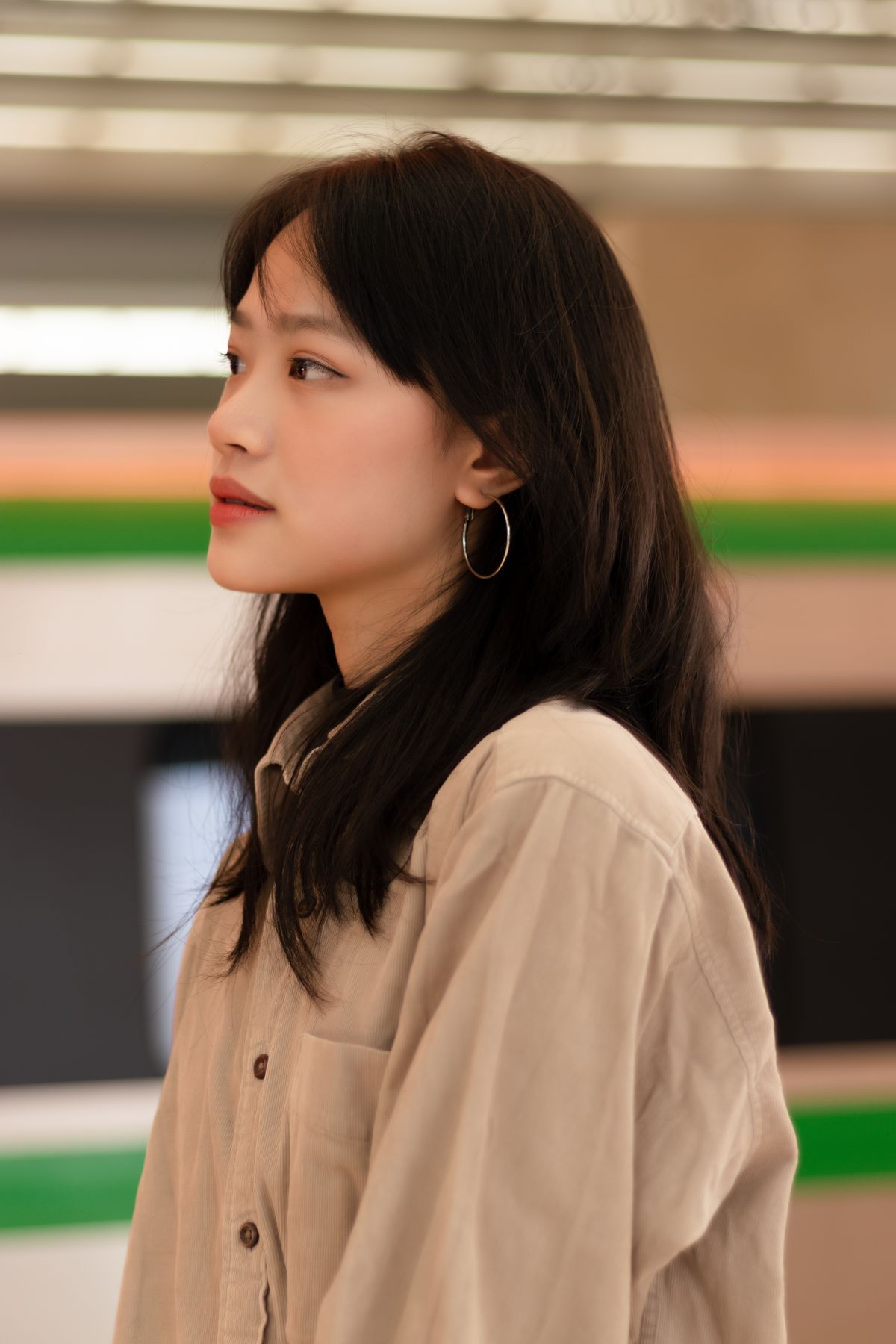
Bangs can completely change the personality of a Korean wolf cut.
See-through bangs create a delicate Korean aesthetic, while curtain bangs emphasize the layered, face-framing character. Longer side-swept pieces offer another option when you want fringe without committing to a full bang.
Korean See-Through (Wispy) Bangs
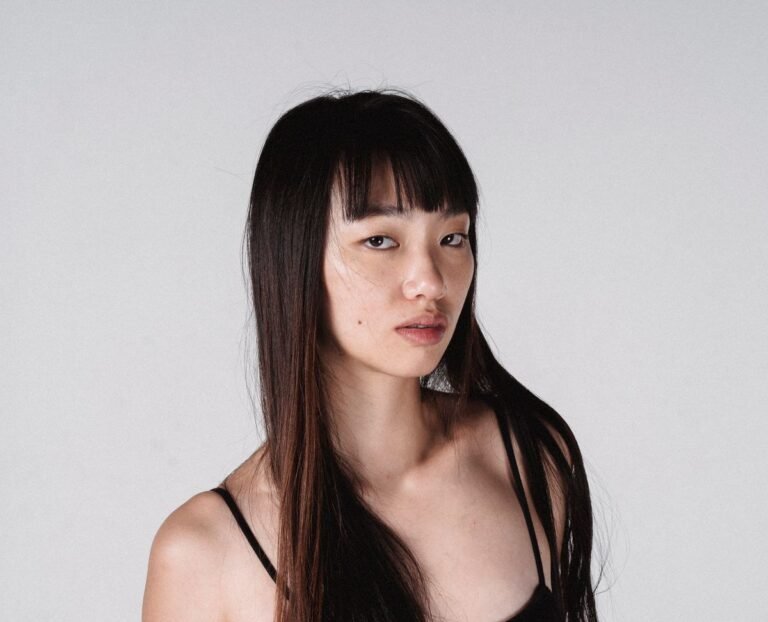
See-through bangs, often associated with Korean beauty styling, use a lighter section of hair so that some forehead remains visible.
They pair naturally with a soft wolf cut because they reduce the visual heaviness of the textured crown.
Light Forehead-Framing for Softness
A light fringe can balance the stronger texture elsewhere in the haircut.
Instead of creating a dense horizontal bang, the stylist can keep the center section lighter and gradually connect the sides to the face-framing layers.
This combination is particularly useful if you want a Korean wolf cut with see-through bangs rather than a dramatic shag fringe.
Curtain Bangs with Seamless Layer Integration
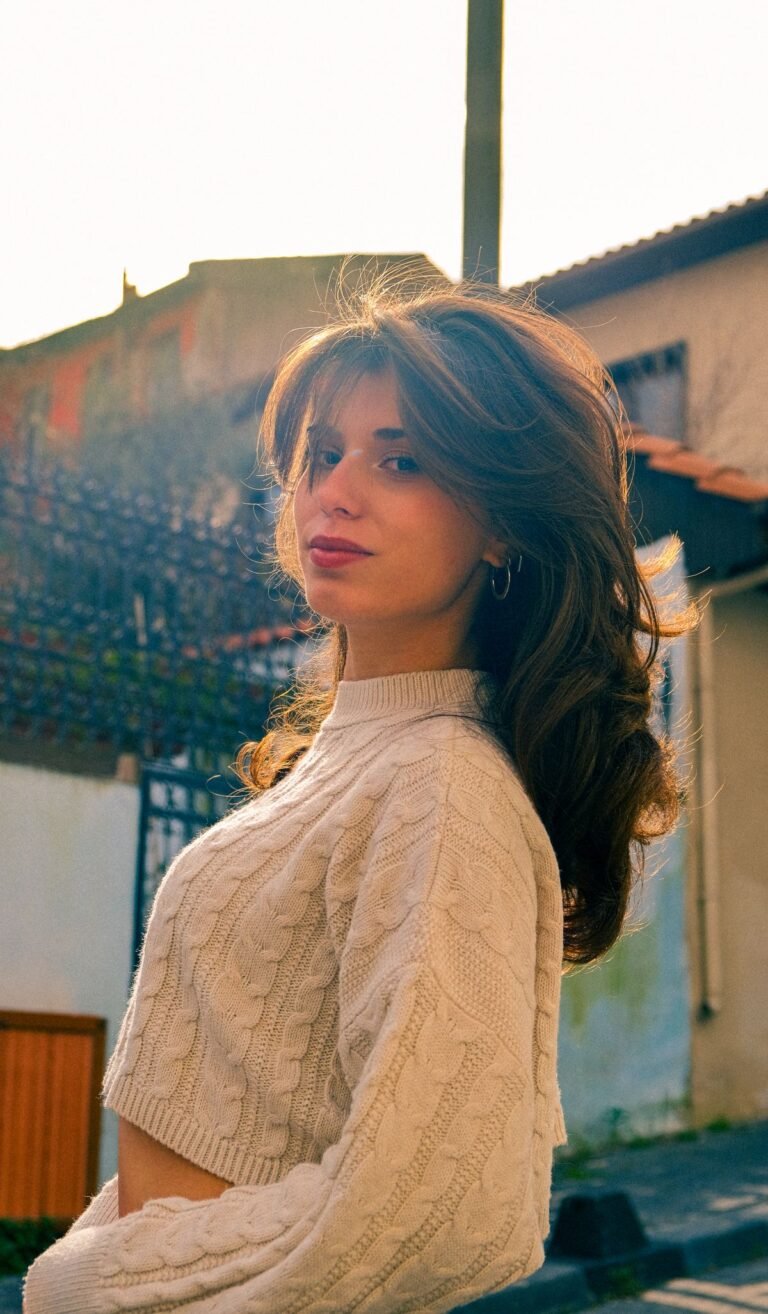
Curtain bangs create a center or slightly off-center opening and gradually become longer toward the sides.
They are particularly compatible with a wolf cut because the outer fringe can connect directly into the shorter face-framing layers.
Flattering Angles for Round and Square Faces
For a round face, longer curtain-bang sections that extend below the cheek area can create a more elongated visual line.
For a square face, softer curved pieces can help break up the appearance of strong jaw angles.
The exact length should be customized instead of copied directly from a reference image. Current Korean haircut guidance emphasizes face shape and individual customization when placing layers and fringe.
Side-Swept Long Tendrils
Long side-swept pieces are useful when you want the face-framing effect of bangs without a dense fringe.
They can also be left outside a ponytail, bun, or half-up hairstyle.
Accentuating Updos and Half-Up Ponytails
Pull the main length into an updo while leaving a few tapered pieces around the face.
The shorter wolf-cut layers can create natural texture around the crown, while the longer tendrils soften the sides.
This makes the haircut more versatile for days when you want to wear your hair away from your face.
How to Style and Maintain a Korean Wolf Cut
The Korean wolf cut is designed to look textured, so styling does not need to mean making every strand perfectly smooth.
A good routine should emphasize the existing layers while controlling frizz and maintaining crown movement.
Daily Heat Styling Tools and Techniques
Heat tools can help recreate the salon-finished shape, particularly when your natural hair is very straight.
Velcro Rollers and Round Brushes for Crown Lift
Velcro rollers can add temporary volume around the crown.
To create lift, place the roller underneath a section near the crown and direct the hair upward. After the hair cools, remove the roller and gently separate the section with your fingers.
A round brush can create a smoother version of the same effect.
Avoid excessive heat. The American Academy of Dermatology recommends using lower heat settings and limiting heat exposure to reduce hair damage.
Flat Iron Techniques to Flick Outer Ends
A flat iron can create the signature flicked ends associated with many wolf-cut references.
Instead of holding the tool tightly in one position, glide it through the section and gently turn the wrist outward near the final few centimeters.
For a softer Korean finish, make the bend subtle rather than creating a sharp flip.
Always use heat protection and avoid repeatedly passing a hot tool over the same section.
Heatless and Air-Dry Styling Tips
The wolf cut can work well with natural texture because its layers are already designed to create movement.
If your hair has a natural wave, allow some of that texture to remain rather than trying to straighten every section.
Texturizing Sea Salt Sprays and Lightweight Mousses
A lightweight mousse can add body without making the layers feel stiff.
Sea salt sprays can increase texture, but they may also make already-dry hair feel rougher. Use them selectively and follow with a lightweight conditioning product if needed.
For fine hair, start with a small amount. Too much product can make short layers collapse rather than appear fuller.
Taming Frizz with Hair Oils and Essences
A small amount of hair oil or essence can smooth the ends and reduce flyaways.
Apply most of the product to the mid-lengths and ends rather than loading the roots.
The goal is controlled texture, not completely flattened hair. A little separation is part of the Korean wolf cut’s character.
Perm Options to Reduce Styling Time
A perm can make the haircut easier to style when your natural texture does not hold movement.
Current Korean salon guidance commonly pairs wolf cuts with cold perms or root perms when additional volume and texture are desired.
Root Perms for Lasting Top Volume
A root perm focuses on creating lift close to the scalp.
This can be useful when the main problem is flatness at the crown rather than a lack of curl throughout the hair.
The result can support the wolf-cut silhouette without requiring the entire length to be chemically curled.
Cold Perms vs. Digital Perms for Wavy Movement
Cold and digital perms create different types of movement and should be selected based on the desired result and your existing hair condition.
A cold perm can be useful for creating the textured, wavy movement associated with a wolf cut, while digital perms are often used for softer, larger waves.
Current Korean haircut guidance identifies cold or root perms as common pairings for wolf cuts, while digital perms are discussed as a softer option for Hush Cut styling.
If your hair is bleached, heavily colored, or already chemically processed, discuss its condition with a professional before choosing any additional chemical service.
Face Shape Matching Guide for the Korean Wolf Cut
Face shape is useful for choosing where to place layers, but it should not be treated as a strict rule.
The same Korean wolf cut can be adjusted through crown height, fringe length, face-framing pieces, and the position of the shortest layers.
Flattering Round Faces with Height and Elongation
For round faces, avoid automatically placing the widest section of the haircut directly beside the cheeks.
A slightly lifted crown and longer face-framing pieces can create more vertical movement.
Current Korean salon guidance suggests keeping the longer front sections below the chin when adapting a wolf cut for a round face.
Softening Square and Angular Jawlines
The textured ends of a wolf cut can create contrast against a strong jawline.
Wispy layers around the face can soften the transition without hiding the entire jaw.
A curtain fringe can also introduce curved lines around the forehead and upper face.
Accentuating Heart and Oval Face Shapes
Oval faces can accommodate a wide range of wolf-cut variations.
For heart-shaped faces, curtain bangs and softer layers around the chin can help balance the broader upper portion of the face.
Current Korean haircut guidance describes wolf cuts as particularly adaptable for oval, heart, and square face shapes when customized by the stylist.
What to Tell Your Stylist: Salon Consultation Checklist
A reference photograph is useful, but simply showing a stylist a picture and saying “I want this” may not communicate the technical details.
Explain exactly where you want the shortest layer, how much crown volume you want, how much length you want to preserve, and how much time you are willing to spend styling your hair.
Determining the Correct Layer Starting Point
Ask your stylist where the first major layer will begin.
For example:
Around the cheekbone
Below the cheekbone
Around the jaw
Near the collarbone
Higher around the crown
The starting point affects the entire silhouette.
If you want a softer Korean wolf cut, you may prefer a less aggressive crown transition. If you want a stronger shaggy effect, more visible separation can be introduced.
Bring front, side, and back reference photographs whenever possible.
Requesting Internal Weight Removal Without Thinning the Bottom
This is especially important for thick or high-density hair.
Instead of simply requesting “thinning,” explain that you want excess internal weight removed while keeping the bottom perimeter full.
You can tell your stylist:
“I want visible movement and lighter internal weight, but I still want the bottom to look full.”
This distinction helps prevent the ends from becoming unnecessarily sparse.
Also explain whether you normally air-dry your hair or style it with heat. A haircut that looks excellent after a professional blowout may behave differently when air-dried.
Conclusion
The Korean wolf cut is best understood as a flexible shag-mullet hybrid rather than one fixed haircut. Its defining characteristics are a shorter textured crown, visible layers, longer lower sections, and lightweight ends.
The Korean approach generally refines those elements into a more wearable silhouette. You can choose a short crop, medium collarbone version, or long cascading style, then customize it with see-through bangs, curtain bangs, or longer side-swept pieces.
The biggest distinction from a Hush Cut is the visibility of the layers: the wolf cut shows its structure, while the Hush Cut hides it through seamless blending.
Before booking your appointment, save reference photos showing the front, side, and back of the hairstyle. For more inspiration, browse our Hair section. Then discuss the starting point of the layers, desired crown volume, amount of internal weight removal, fringe style, and realistic daily maintenance.

One Comment