Trending Korean Hairstyles for Women: Popular Haircuts, Perms, and Styling Ideas
Korean hairstyles for women are known for soft movement, polished texture, face-framing layers, and styling that looks intentional without appearing rigid. In 2026, Korean salon trends continue to favor natural-looking movement, customized layering, airy C-curl ends, relaxed S-curl patterns, and softer silhouettes over dramatic styling.
From the lightweight Hush Cut and crisp Tassel Cut to Build Perms, Hug Perms, see-through bangs, and modern layered styles, there are many ways to adapt Korean hair trends to different lengths, textures, and routines.
This guide covers popular Korean haircuts, perm styles, bangs styles, face-shape considerations, everyday styling, and the terminology to use with your stylist.
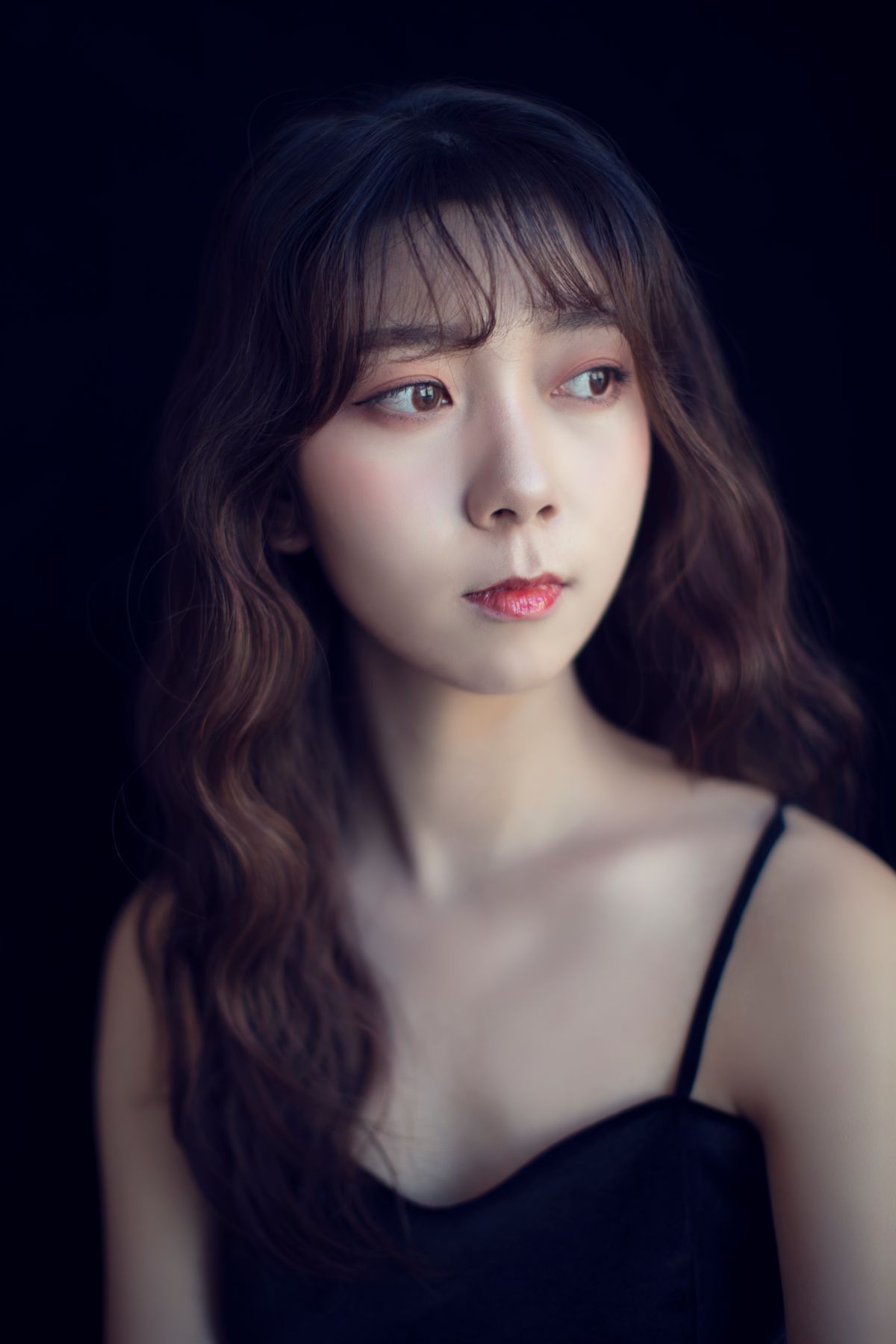
Signature Korean Hairstyles for Women Defining Current Salon Trends
The defining feature of many Korean haircuts is customization. Rather than a fixed formula, stylists adjust layering, face-framing length, perimeter, and movement to your hair density and texture.
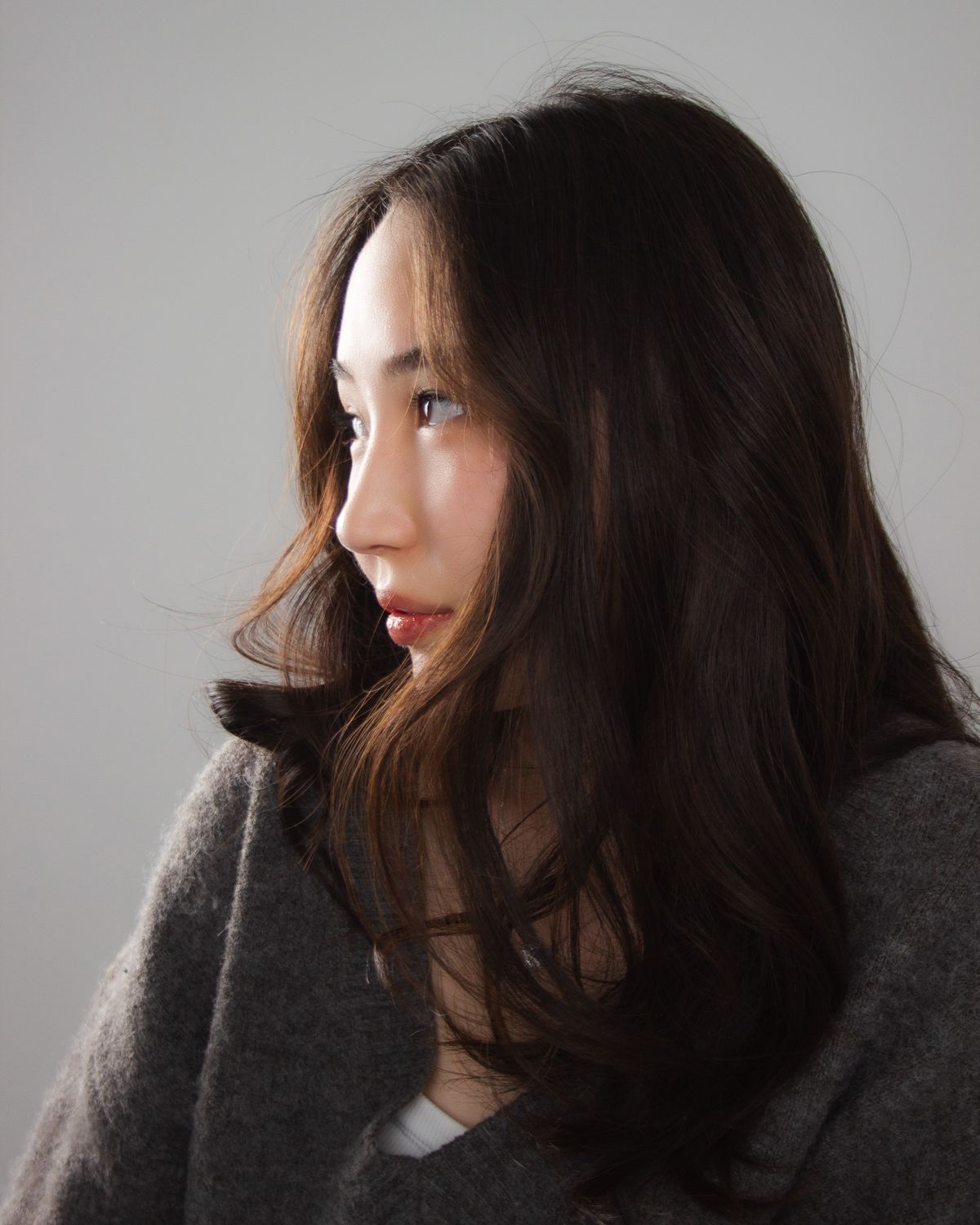
The Hush Cut: Feathered Layering and Weightless Texture
The Hush Cut is one of the most recognizable Korean layered haircuts. Soft layers, feathered ends, and face-framing pieces create movement without the heaviness of a blunt cut. Vogue describes it as a Korean-origin style built around soft, light, feathery layers, and it remains widely featured in 2026 salon coverage with different lengths and fringe combinations.
Short to Medium Hush Cuts with Soft C-Curl Ends
Pairing a short or medium Hush Cut with soft C-curl ends gives a polished, rounded perimeter while the layers keep it from looking heavy. For a softer result, ask for blended layers rather than short, disconnected sections, and concentrate the C-curl toward the ends so the crown stays natural. The side profile shows this combination best, so save side-view references too.
Long Layered Hush Cuts for High-Density Hair
For thick hair, a long Hush Cut removes selected weight while keeping enough perimeter density so the ends don’t look thin. The goal is movement, not just smaller hair. Bring reference photos showing the front and back of the cut so your stylist understands how much layering you actually want.
The Tassel Cut: Crisp, Blunt Bobs
The Tassel Cut is a clean bob silhouette with blunt, clearly defined ends — more structured than the feathered Hush Cut. Korean references commonly pair it with straight-across bangs, side bangs, sleek styling, or a soft perm.
Chin-Length Tassel Bob with Straight-Across Bangs
A chin-length Tassel Bob with straight-across bangs creates a graphic, youthful shape around the jaw. Ask your stylist to confirm the exact finished length before cutting — small changes around the chin noticeably shift the balance. Save references shot from the front, side, and slightly below the jawline.
Collarbone Lob Tassel Cut with Sleek Finish
A collarbone-length version gives more styling flexibility while keeping the clean, blunt character. A sleek finish emphasizes the straight perimeter; a slight inward bend softens the outline. It’s a practical way to get the Korean bob aesthetic without going very short.
The Modern Korean Layered Cut
The modern Korean layered cut focuses on movement and controlled face framing, with layers from subtle to visible depending on density and finish.
Directional Face-Framing Layers
Directional face-framing layers guide the eye toward or away from areas around the face — longer pieces create a gradual cheek-to-hair transition, shorter pieces add visible lightness. Don’t choose layer length from a front photo alone; ask your stylist to consider how the layers behave from the side.
Blended Side-Swept Fringes
A side-swept fringe that melts into the surrounding layers creates a soft aesthetic — bangs without the commitment of a dense fringe. Show your stylist which side you normally part your hair, since the result depends on natural direction.
The Korean Princess Cut (Hime Cut)
The Korean Princess Cut, often called a Hime Cut, pairs a longer main length with defined face-framing sections at the cheeks or jaw. The Hime Cut has Japanese historical roots but has been adapted into Korean beauty styling, with both sharply structured and softer layered variations.
Classic Sharp Cheekbone Blocks
The classic version uses clearly defined cheekbone-level sections contrasting with the longer hair behind, creating a deliberate graphic effect. Straight styling emphasizes the geometry; slight movement softens it. Reference photos should clearly show the blocks’ length and thickness.
Layered and Softened Hime Variations
A softer variation blends the shorter face-framing sections into longer layers, keeping the recognizable shape while pairing easily with waves or a curtain/side-swept fringe for a less geometric look.
Popular Korean Hairstyles for Women: Perm Styles for Natural Volume and Movement
Korean perms are typically designed around controlled movement rather than uniform curls. Build Perms, Hug Perms, and mixed C- and S-curl styles add volume while staying soft — and 2026 trends favor natural, relaxed patterns.
Build Perm: Everyday Natural Bouncy Texture
The Build Perm creates layered movement with volume and curved ends, commonly paired with medium-to-long layered cuts. References describe it as soft curls plus layered volume, mixing C- and S-shaped movement for a dimensional finish.
C-Curl and S-Curl Combination Technique
C-curls create a rounded bend; S-curls create a flowing wave. Combining them gives more dimensional movement than one uniform curl. The pattern should be customized to your length and texture — stylists often use stronger movement at the lower lengths and keep the upper sections softer.
Ideal Hair Lengths for Build Perms
Medium and long hair gives a Build Perm room to show its movement. Shoulder-length hair creates a bouncy, compact result; longer hair lets curls fall into elongated waves. If your hair is fine or flat, discuss where you want volume; if it’s very dense, excessive volume can make styling harder.
Hug Perm: Inward-Curving Soft Waves
The Hug Perm centers on soft inward movement around the face — a C-curl-focused style that works especially well with layered cuts.
Jawline-Hugging Silhouette for Medium Hair
On medium hair, the inward curve creates a rounded silhouette around the jawline. The effect can stay subtle rather than obviously curled, which suits anyone wanting movement without spiral curls. Layer placement matters: too much weight at the ends makes the curl look bulky.
Styling Maintenance with Blow Dryers
After washing, remove excess moisture, then use a round brush or controlled airflow to guide the ends inward. Keep heat low or medium — the American Academy of Dermatology (AAD) recommends limiting heat styling because excessive heat damages hair.
Flow and Grace Perms: Loose Cascading Waves
Flow and Grace-style perms focus on elongated movement rather than tight curls, giving a soft Korean perm look with visible but relaxed waves. Grace references lean S-curl; Elizabeth references mix S- and C-curls.
Mid-Length Waves for Long Hair
Longer hair lets loose waves fall naturally, with the wave beginning at the cheek, shoulder, or lower depending on the cut and desired volume. When choosing a reference, note where the first visible wave begins — not just the overall curl pattern.
Low-Heat Everyday Maintenance
Preserve the shape without repeated high heat: use a leave-in product, shape waves gently while drying, and let hair partially air-dry when practical. Dermatologists recommend reducing frequent blow-drying and using lower heat settings.
Textured and Specialized Perms
Jelly and Hippie Perms for Retro Volume
Jelly Perms create defined, bouncy waves; Hippie Perms are tighter and curlier with more dramatic volume — a retro-inspired Korean aesthetic, especially with layered hair and airy bangs. Tighter curls visually shorten hair, so discuss the expected finished length first.
Sleek Perm for Ultra-Straight Glass Hair
A Sleek Perm targets a smooth, straight, polished finish rather than curls — the minimalist Y2K-inspired glass-hair look. Because gloss makes condition obvious, discuss your hair’s history (bleach, color, chemical treatments) with a professional before another chemical service.
Korean Bangs and Fringe Variations to Complement Your Cut
Korean bangs are usually lightweight and blend into the cut. See-through bangs, curtain bangs, and soft side-swept fringes adjust to forehead width, density, and styling habits.
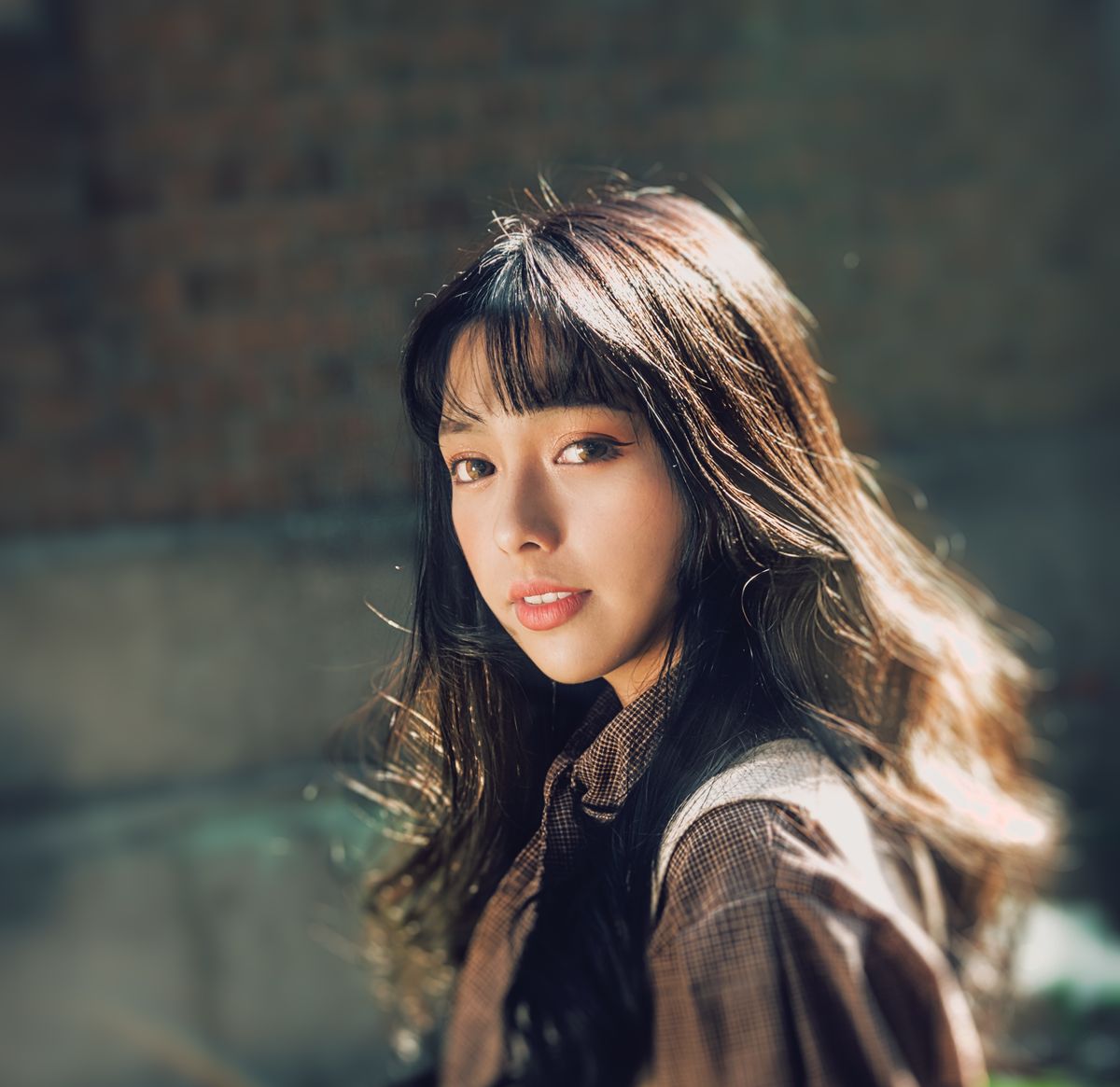
See-Through Bangs (Air Bangs)
See-through bangs (Air Bangs) use a light fringe that leaves some forehead visible — one of the most recognizable Korean details, pairing with layered cuts, bobs, and perms.
Forehead-Framing Sectioning Techniques
Control the section carefully: taking too much hair turns a light fringe into a dense full bang. Your stylist can adjust width and length to your hairline and coverage preference. Bring front-and-side references rather than relying on the name alone.
Daily Styling with Velcro Rollers
Roll slightly damp bangs over a Velcro roller (or use controlled heat), let them cool, then remove for lift and a soft curve. Avoid excessive heat or prolonged hot-tool contact — the AAD advises minimizing heat exposure to reduce damage.
Feathered Curtain Bangs
Curtain bangs part around the center or slightly off-center and melt into the surrounding layers — ideal with Korean layered hair.
Center-Parted Transition into Outer Layers
The shortest central section should connect gradually to longer outer pieces so the fringe doesn’t look like a separate block. If your natural part is strongly off-center, tell your stylist; the shape may need adjusting to follow it.
Styling for High Cheekbones
Longer curtain sections can sit around the cheekbones to emphasize or soften the fringe-to-hair transition. Use the reference to communicate the visual effect rather than copying its exact length.
Side-Swept and Face-Contouring Fringes
Side-swept fringes add asymmetry to short or long Korean styles and offer a softer alternative to straight-across bangs.
Soft Wispy Tendrils for Updos
Leave small face-framing tendrils outside an updo for a softer outline — keep them light, not thick disconnected pieces, sized to how much framing you want when hair is tied back.
Tapered Layers for Ponytails
Tapered face-framing layers stay visible in a ponytail, keeping movement around the face. Bring a reference showing the hair both down and tied back if this versatility matters to you.
How to Match Korean Haircuts to Your Face Shape
Face-shape guides are a starting point, not a substitute for consultation. Density, texture, growth direction, forehead proportions, and styling habits all change how a cut looks.
Round and Full Face Shapes
Introduce vertical movement and avoid excess width beside the cheeks. Moderate crown volume adds height; longer curtain bangs create a vertical transition along the face; soft, separated ends keep the silhouette from rounding out. Avoid a strong horizontal line at cheek level — let layers continue downward.
Square and Angular Jawlines
Curved movement contrasts facial geometry. C-curl ends and inward-curving layers (a Hug Perm or layered cut) soften the jaw transition; a slightly off-center or side part adds asymmetry and shifts where volume sits. Placement depends on your natural part and how hair falls unstylized.
Oval and Heart-Shaped Faces
Many styles work, but forehead and jaw proportions still need adjustment. A chin-length Tassel Cut emphasizes the lower face — fine-tune the length around chin and jaw for heart shapes. Full bangs with loose waves contrast a defined fringe against soft lengths; lighten the bangs if they feel heavy.
Everyday Styling and Maintenance Routine
A Korean hairstyle looks effortless when the cut and technique work together. Keep the routine simple and matched to your natural texture.
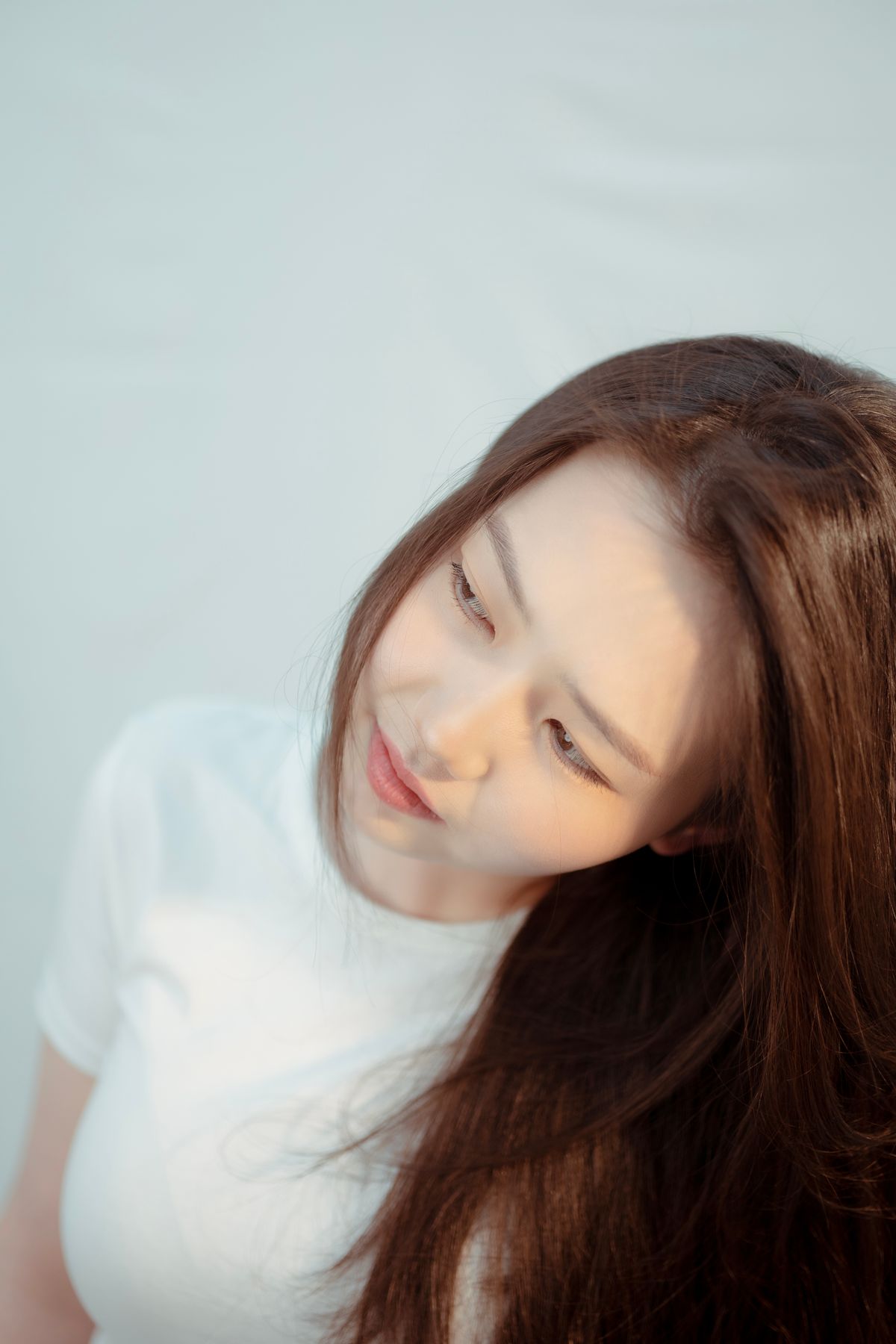
Essential Tools and Techniques
A round brush, Velcro rollers, hair dryer, and flat iron cover most everyday Korean styling. Use the round brush for C-curl ends, root lift, and face-framing layers; Velcro rollers add temporary volume and curvature — let heated sections cool before removing them so the shape sets. A flat iron creates subtle C-curls (turn inward at the ends) or S-curls (gentle alternating direction). Always work on dry hair with heat protectant; the AAD recommends low or medium heat and limited use of hot tools.
Haircare Products for the K-Beauty Gloss Finish
Gloss comes from smooth, conditioned hair — not from piling on product. Lightweight serums or essences tame flyaways and add shine (fine hair needs less; thicker or drier hair tolerates more), and a leave-in conditioner helps smoothness and manageability — the AAD notes leave-ins suit long, fine, color-treated, permed, heat-styled, or dry hair. On permed or chemically treated hair, heat protection matters even more: choose products labeled for heat protection and keep temperatures low.
Korean Salon Consultation Checklist
Translate the visual reference into practical instructions: length, layer placement, curl direction, fringe density, and how much daily styling you’ll actually do.
Essential Korean Hair Terminology to Know
A few common terms help when researching references or speaking with a stylist (terminology varies between salons, so photos still communicate best):
- Hush Cut (허쉬컷) — soft, feathered layered cut
- Tassel Cut (태슬컷) — crisp, blunt bob
- Hime / Princess Cut (히메컷) — defined face-framing cheek sections with long back length
- Build Perm (빌드펌) — layered perm with C- and S-curl volume
- Hug Perm (허그펌) — inward-curving C-curl perm around the face
- Setting Perm (셋팅펌) — heat perm for long-lasting defined curls
- See-Through Bangs (시스루뱅) — light, airy fringe
- C-curl (C컬) / S-curl (S컬) — inward-rounded ends / flowing wave pattern
Preparing Reference Photos and Questions for Your Stylist
Save several photos rather than one. Choose images that show:
- Front view
- Side profile
- Back of the haircut
- Hair texture close-up
- Styled and relatively natural versions when available
Pinterest is useful for collecting these references, since beauty users commonly save visual examples before appointments.
Communicating Desired Layer Heights
Instead of just “long layers,” point to a reference and say:
“I want the first face-framing layer around this area.”
“I want the ends light but not too thin.”
“I want the layers blended rather than sharply separated.”
“I want the perimeter to remain full.”
Discussing Natural Texture and Daily Upkeep Time
Tell your stylist what your hair does naturally — straight, wavy, curly, fine, thick, high-density, frizz-prone, or difficult to style — and how much time you realistically spend on it each morning. A cut that looks perfect after a professional blowout may need a very different home routine; the best reference matches both the look and the upkeep you’ll maintain.
Conclusion
The most useful Korean hairstyles for women come from adapting the cut, fringe, curl pattern, and layer placement to your own hair — not from copying a trend. The Hush Cut and Korean layered hair suit soft movement; the Tassel Cut gives a sharper perimeter; Build, Hug, Grace, Jelly, Hippie, and Sleek Perms cover different approaches to volume, texture, and smoothness.
When saving Korean hairstyle ideas on Pinterest, collect several angles and watch the details that create the look: layer height, curl direction, fringe density, finished length, and styling requirements.
4 Comments